Required
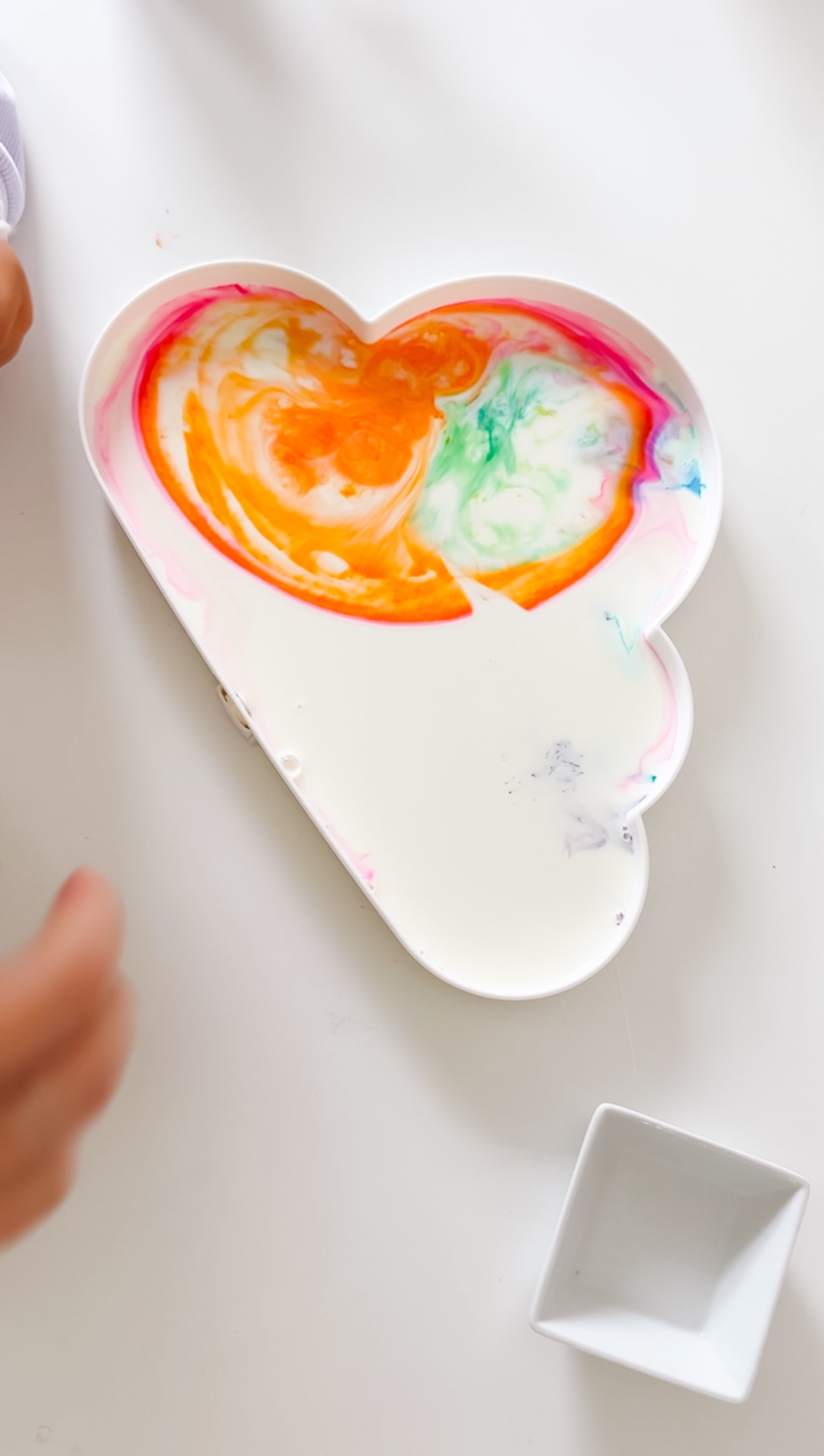
Three simple science activities using milk, food coloring, and dish soap that will amaze preschoolers while teaching real science concepts.
There are very few science activities that make preschoolers say "Whoa!" every single time—but Magic Milk is one of them. With just a few kitchen ingredients, children can watch vibrant colors race across the surface of milk as if by magic. In reality, they're exploring chemistry, surface tension, and color mixing in one unforgettable experiment. The best part? Once you know the basic technique, you can create endless themed variations throughout the year. In our house we've made three favorites: 🌈 Rainbow Milk, 🎆 Fireworks Milk, and 🌅 Sunset Milk. Each one teaches the same scientific concept while tying into different preschool themes.
Milk contains tiny fat molecules suspended throughout the liquid. Dish soap breaks apart those fat molecules. As the molecules move, they pull the food coloring with them — creating the swirls, bursts, and rainbows you see. It looks like magic, but it's really surface tension and simple chemistry.
Watch closely and describe what happens.
Guess what will happen before the soap touches the milk.
Feel the invisible skin on the surface of a liquid.
See primary colors blend into secondary colors.
Ask, predict, test, observe, repeat.
Practice steady, controlled hands with cotton swabs.
Learn new words like molecule, reaction, and horizon.
Everything you need for all three experiments.
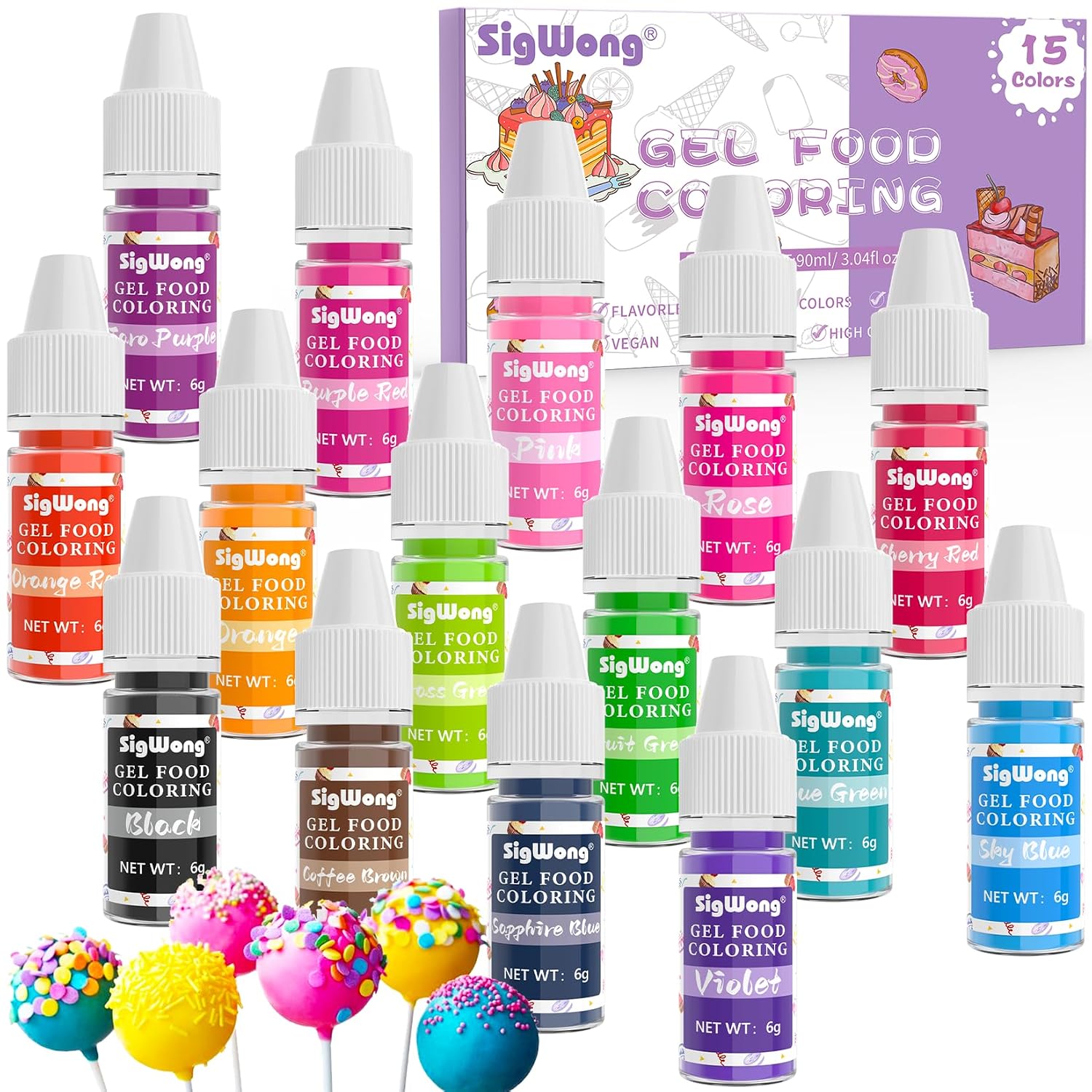
Ask your child to predict what will happen before touching the milk with the soap. Then ask why they think it happened afterwards. This simple conversation transforms the activity from "magic" into real science.
Magic Milk is a simple science activity where dish soap is added to a plate of milk with drops of food coloring. The soap breaks apart the fat molecules in the milk, causing the colors to swirl and burst across the surface.
Whole milk, dish soap, food coloring, cotton swabs, and a shallow plate.
Yes, with adult supervision. Toddlers should not drink the milk after adding soap and food coloring.
Each experiment in this collection uses a different color palette and ties into a different theme — rainbows, fireworks, or sunsets — so children can revisit the science over and over.