Required
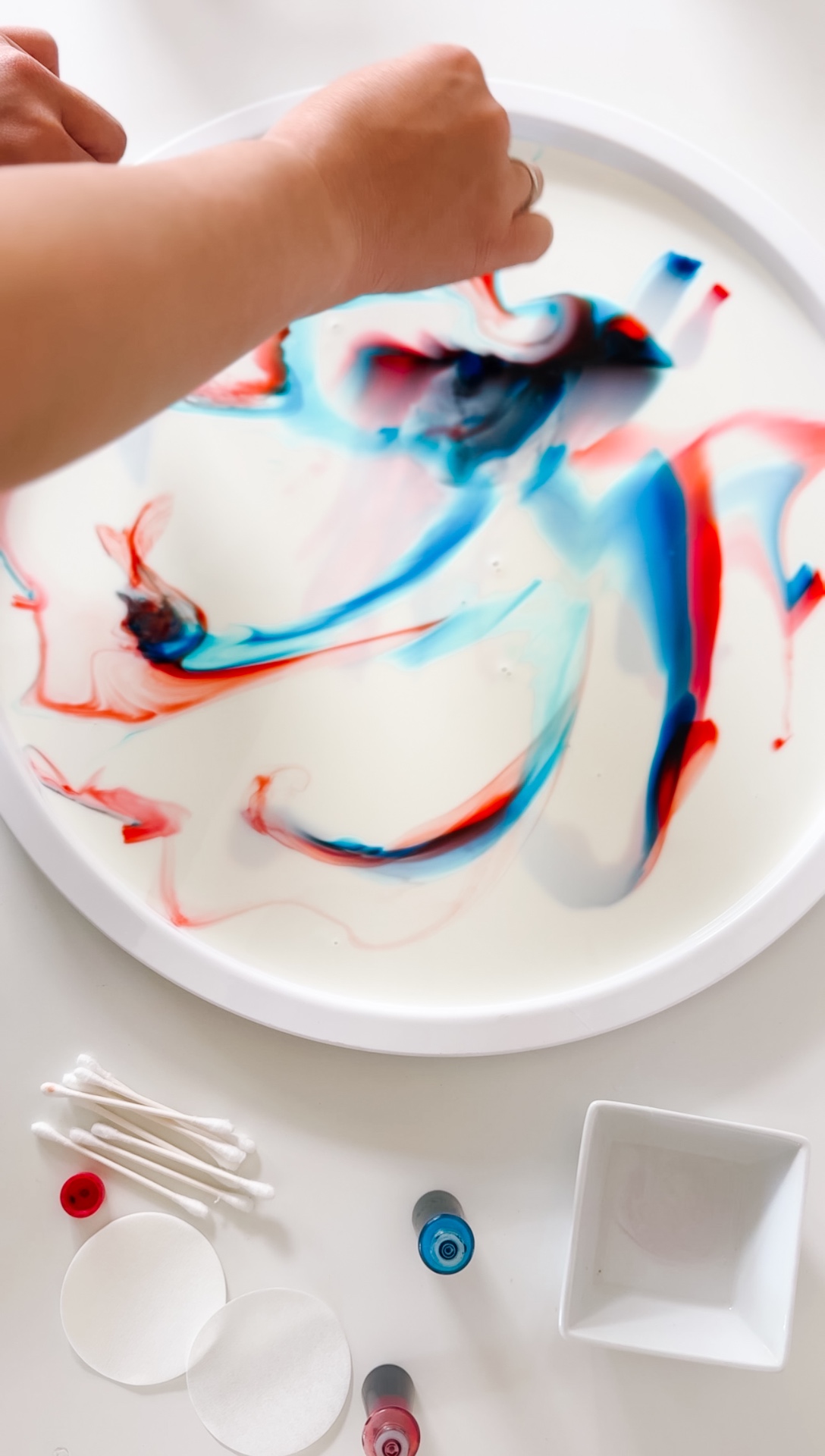
A simple patriotic science activity preschoolers will want to repeat again and again.
3+
5 min
20 min
★☆☆☆☆
STEM
Easy
Every summer we try to squeeze in as many simple outdoor activities as possible before the fireworks begin. This experiment became one of our favorites because it captures the excitement of fireworks without any loud noises or late bedtimes. Sofia loved watching the red and blue colors race across the milk, and every time we dipped the cotton swab into the soap she would guess where the next "firework" would explode. It only takes a few minutes to set up, but it feels magical every single time.
Everything you need to try this experiment at home.
Pour whole milk into a shallow plate until the bottom is completely covered.
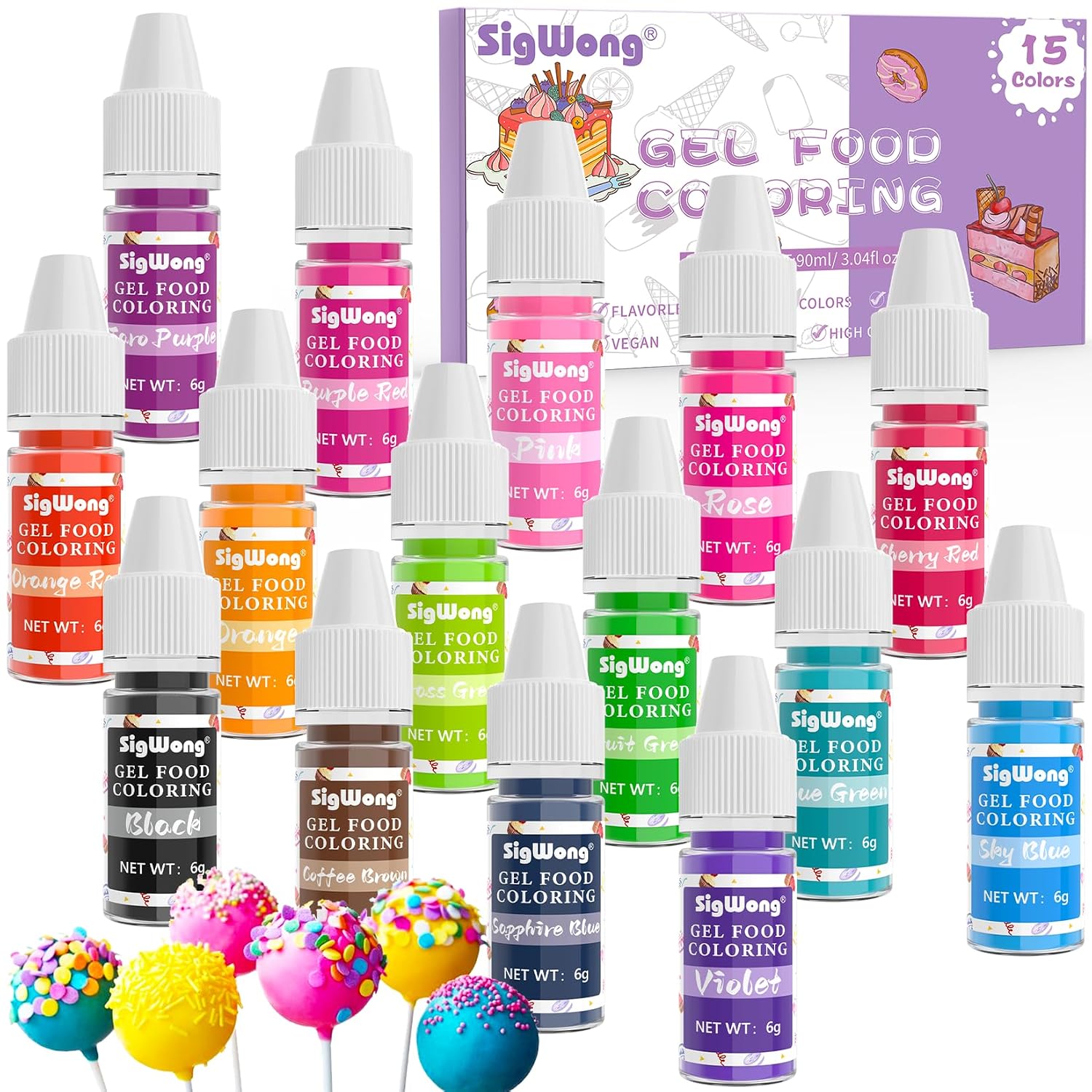
Add several drops of red and blue food coloring around the milk. Leave space between each drop so children can watch the colors move independently.
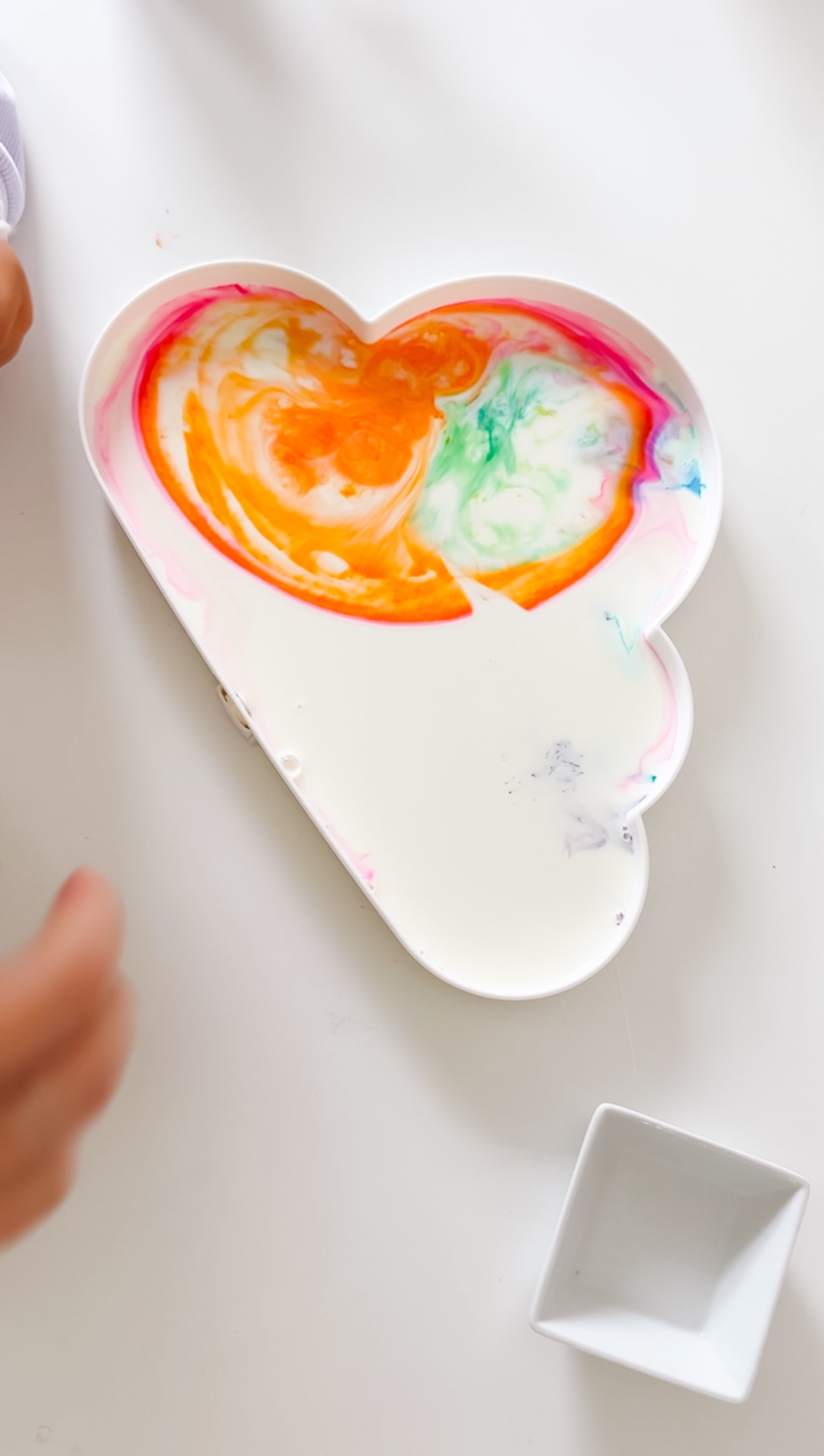
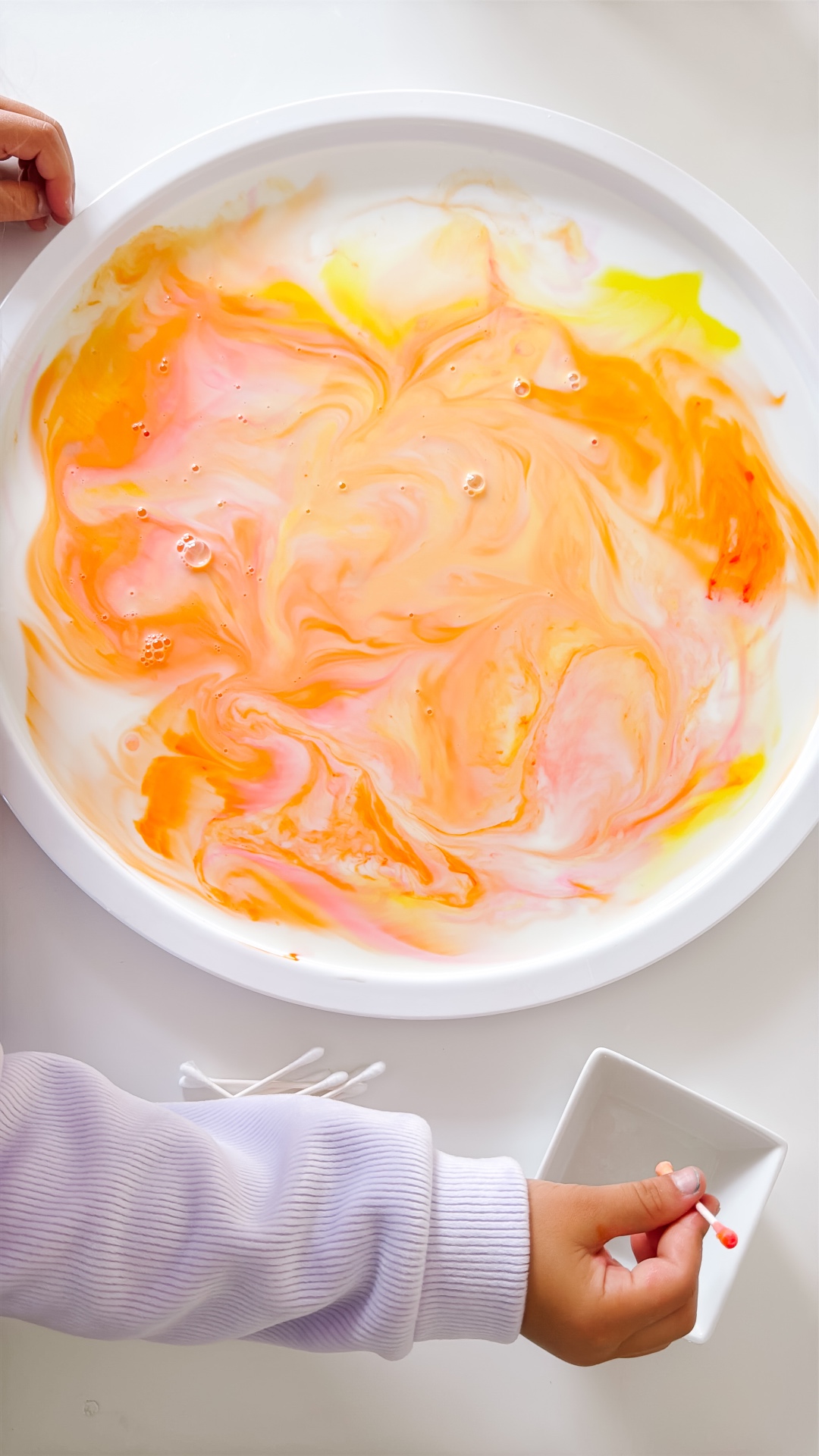
Dip a cotton swab into dish soap. Touch the center of the milk. Watch colorful "fireworks" burst across the surface.
Experiment with touching different parts of the plate. Observe how the colors continue moving and mixing together.
Milk contains tiny fat molecules suspended throughout the liquid. Dish soap breaks apart those fat molecules. As the molecules move, they pull the food coloring across the milk, creating beautiful bursts that resemble fireworks. It may look like magic, but it's really chemistry!
What do you think will happen?
Which direction will the colors move?
What happens when the red and blue meet?
How many fireworks can you make?
Can you make the biggest firework?
Which color moved the fastest?
How did the colors mix?
Whole milk creates the strongest reaction. Allow children to make predictions before each new cotton swab touches the milk. Use this activity as a quieter Fourth of July alternative for younger children.
Create patriotic artwork afterward • Read books about Independence Day • Talk about fireworks safety • Compare real fireworks with your milk fireworks • Try Rainbow Milk next • Try Sunset Milk next
The dish soap breaks apart fat molecules in the milk. As those molecules move, they carry the food coloring across the surface.
Whole milk creates the strongest reaction because it contains the most fat.
Yes. Children ages 3+ can participate with adult supervision.
Absolutely. It's one of our favorite patriotic STEM activities because it combines science, color exploration, and holiday fun without loud noises.
Fresh whole milk works best. Using skim milk or too much soap can reduce the effect.
Surface tension, observation, prediction, cause and effect, basic chemistry, and scientific thinking.
A printable observation sheet to record predictions, drawings, and results. Coming soon to the GoodnightFox shop.
Notify me