Required
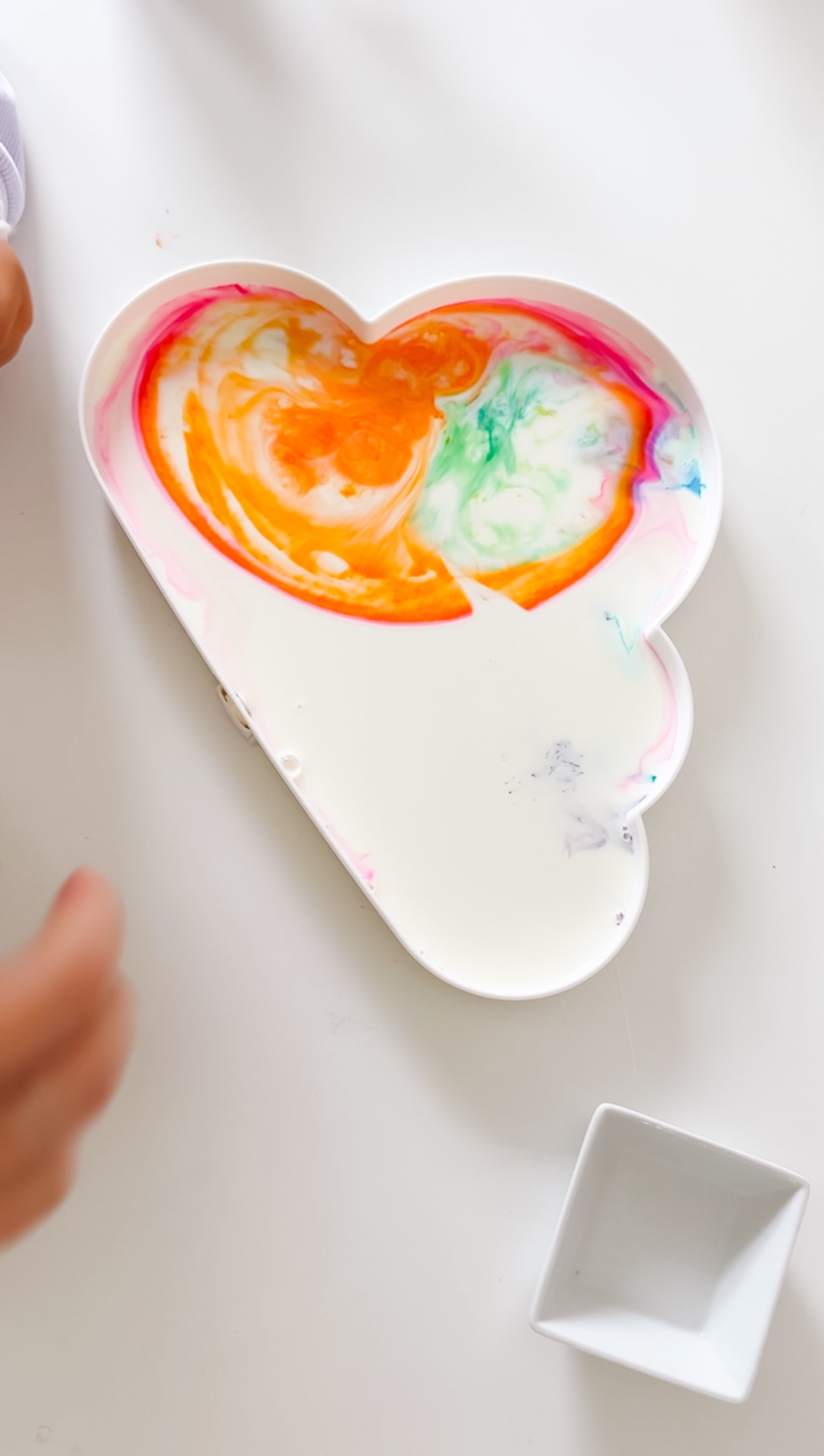
Watch colors race across milk while exploring chemistry through play.
3+
5 min
20 min
★☆☆☆☆
STEM
Easy
Sometimes the simplest science experiments end up becoming the most memorable. One afternoon Sofia wanted to paint—but instead of pulling out paper and brushes, we grabbed a plate of milk, a few bottles of food coloring, and one tiny drop of dish soap. The moment the colors exploded across the milk, she gasped. "Again!" We ended up making rainbow after rainbow while talking about primary colors, predictions, and what might happen if we mixed different combinations together. It only took a few minutes to set up, but we spent almost an hour experimenting.
Everything you need to try this experiment at home.
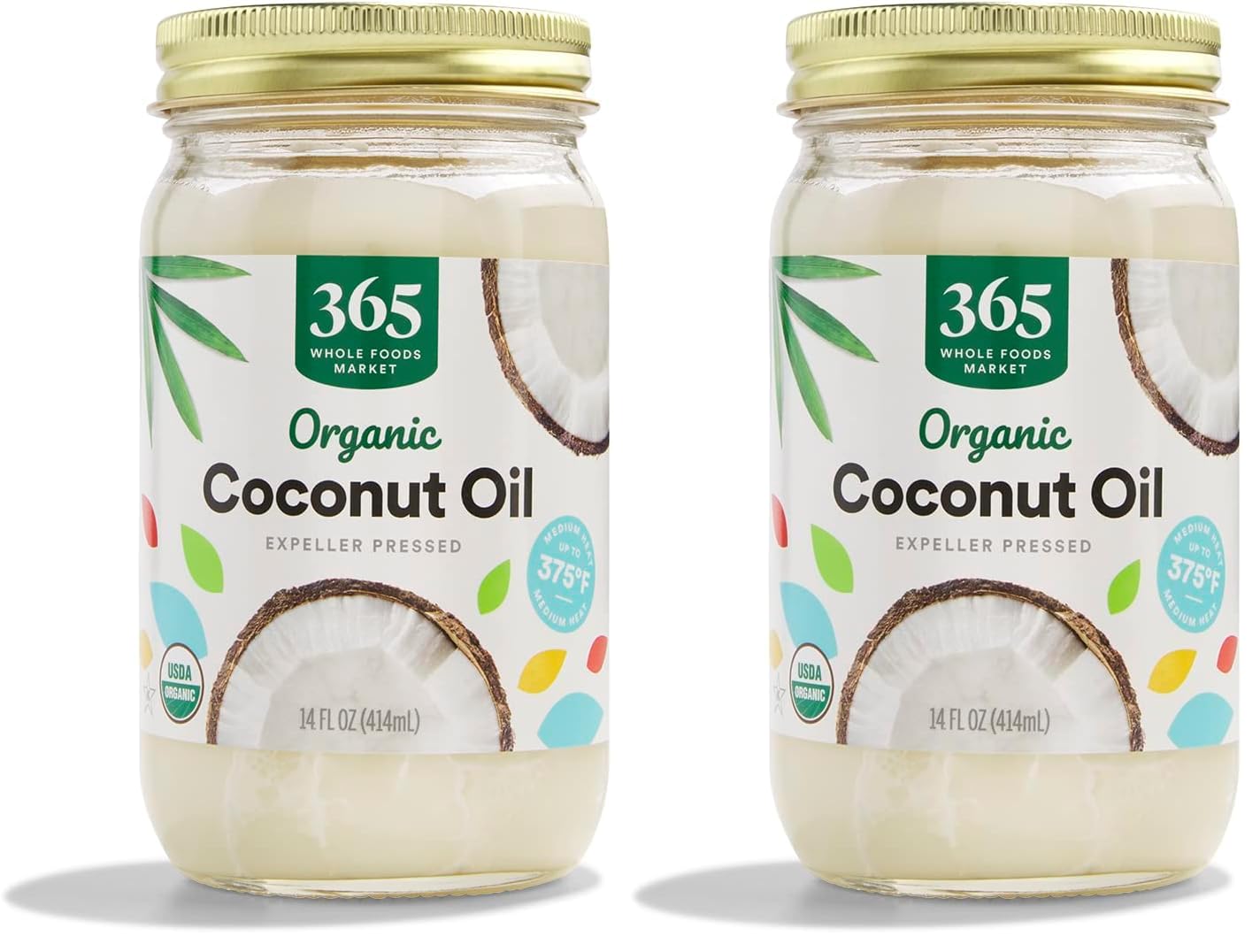
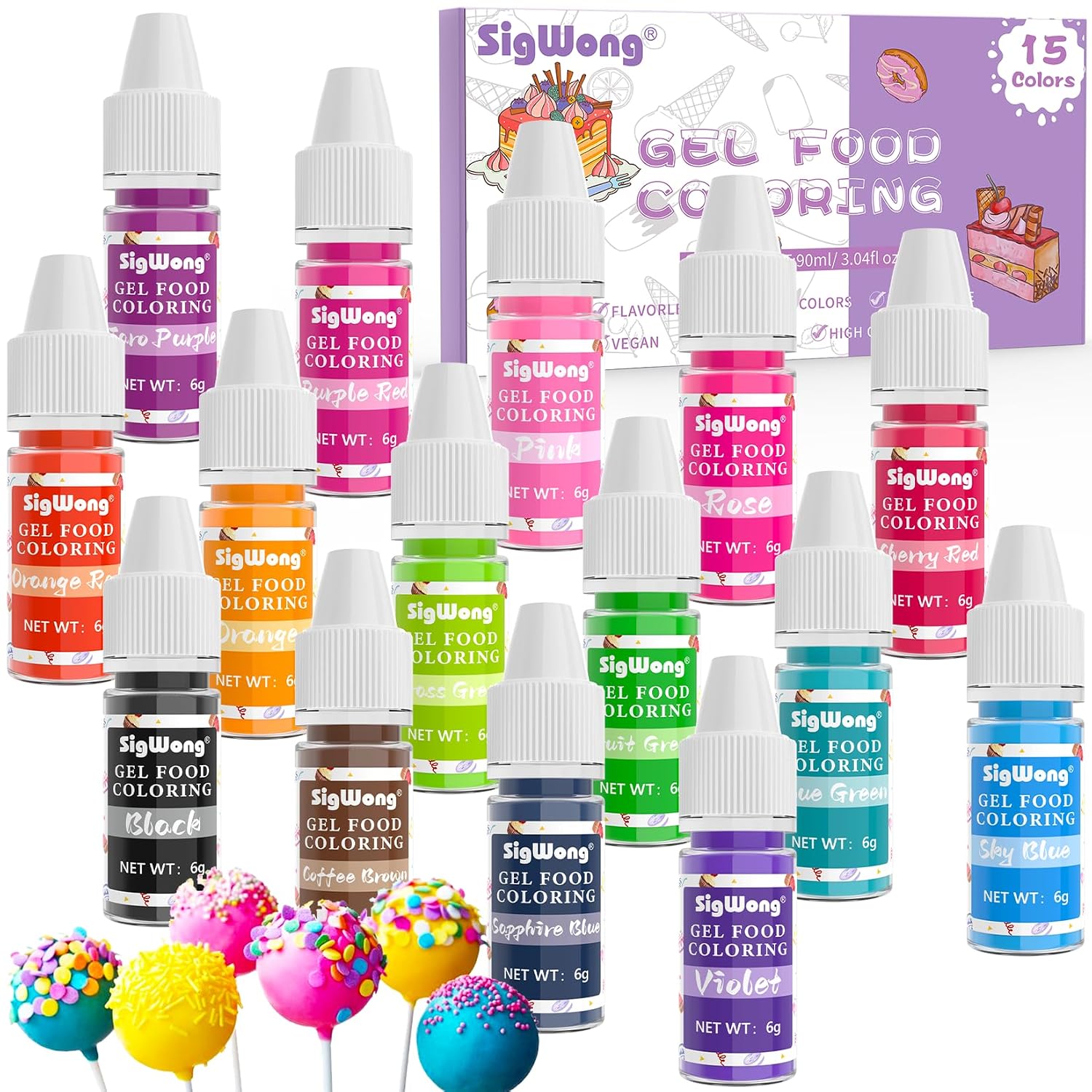
Pour enough milk into a shallow plate to completely cover the bottom.
Add drops of food coloring around the plate. Try using every color of the rainbow.
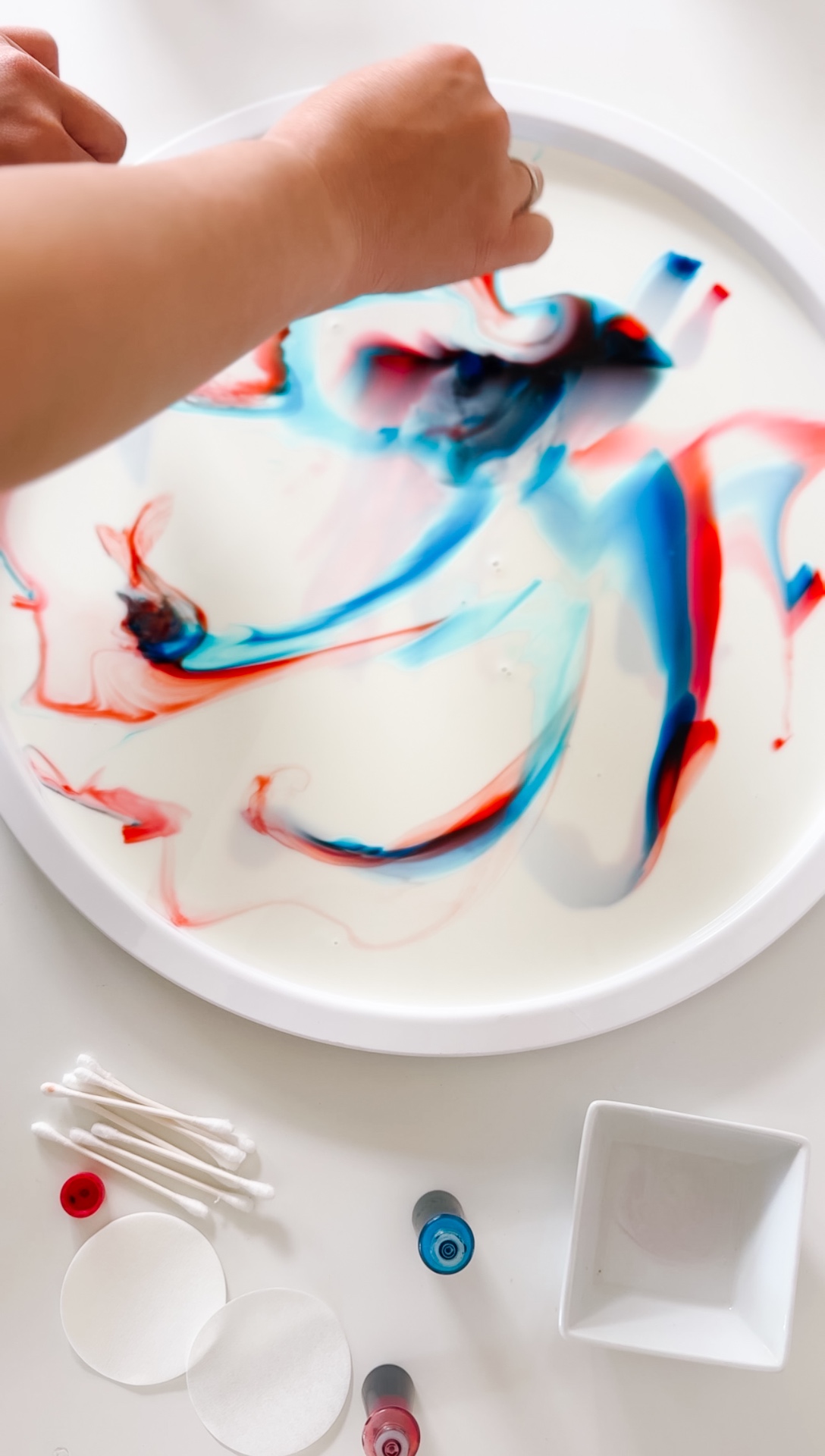
Dip a cotton swab into dish soap. Touch the center of the milk. Watch the colors explode outward.
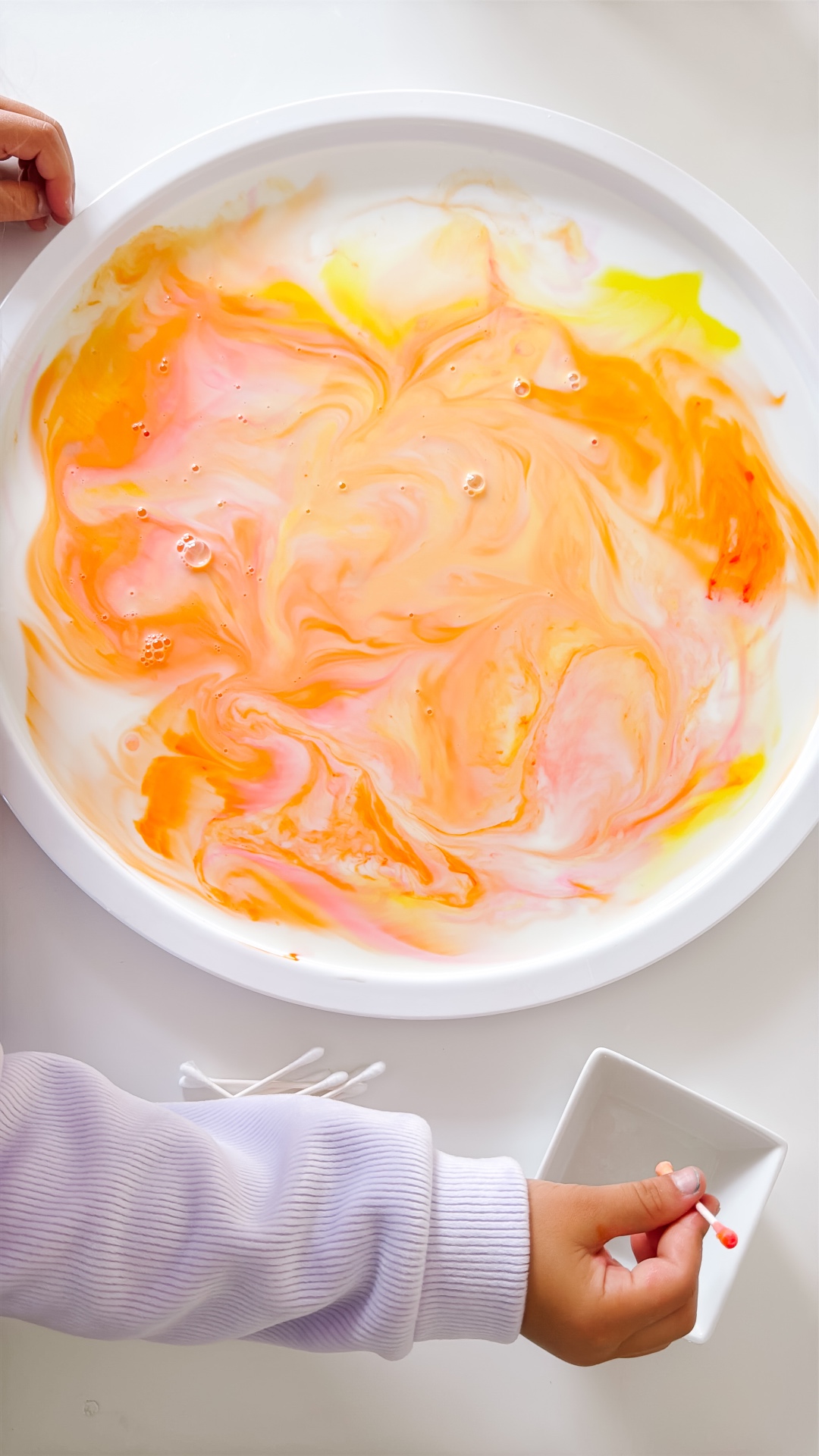
Continue experimenting. What happens if you touch a different spot? What happens when two colors meet? Can you make purple? Orange? Green?
Milk contains tiny fat molecules floating throughout the liquid. Dish soap is designed to break apart fats. When the soap touches the milk, it begins pulling those fat molecules in every direction. The food coloring simply rides along with the moving milk, creating beautiful swirling patterns that look like magic.
Practice making predictions.
Name each color.
Mix primary colors to create secondary colors.
Count drops.
Describe what you see using new vocabulary.
Repeat the experiment and compare results.
Whole milk works best because it contains more fat. Fresh milk creates the strongest reaction. Don't stir. Simply watch the colors move naturally.
Try Fireworks Milk • Try Sunset Milk • Paint rainbows afterward • Create a rainbow sensory bin • Read a rainbow-themed picture book
Dish soap breaks apart the fat molecules in milk. As those molecules move, they carry the food coloring with them, creating swirling patterns.
Whole milk usually creates the strongest reaction because it contains the most fat.
Yes, with adult supervision. It's perfect for children ages three and older.
It's actually a combination of chemistry and surface tension rather than a traditional chemical reaction.
Children explore observation, prediction, color theory, scientific thinking, and basic chemistry concepts.
A printable observation sheet to record predictions, drawings, and results. Coming soon to the GoodnightFox shop.
Notify me