The Fox's World

tiny world, big wonder

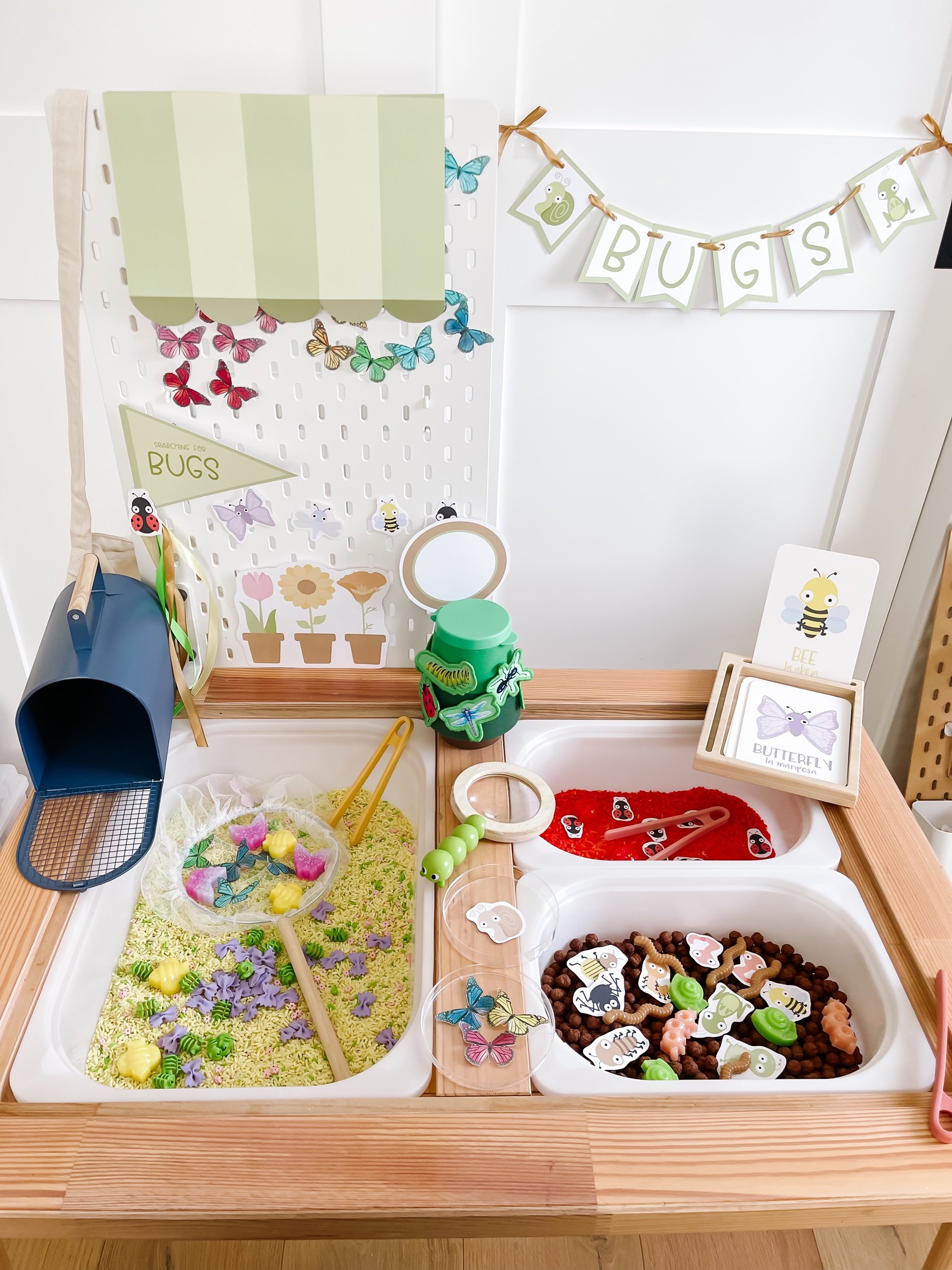
Everything GoodnightFox has ever made about bugs, gathered in one place — bug sensory bins, bee trays, lifecycle play, toilet roll bug crafts and the printables and kits that go with them.

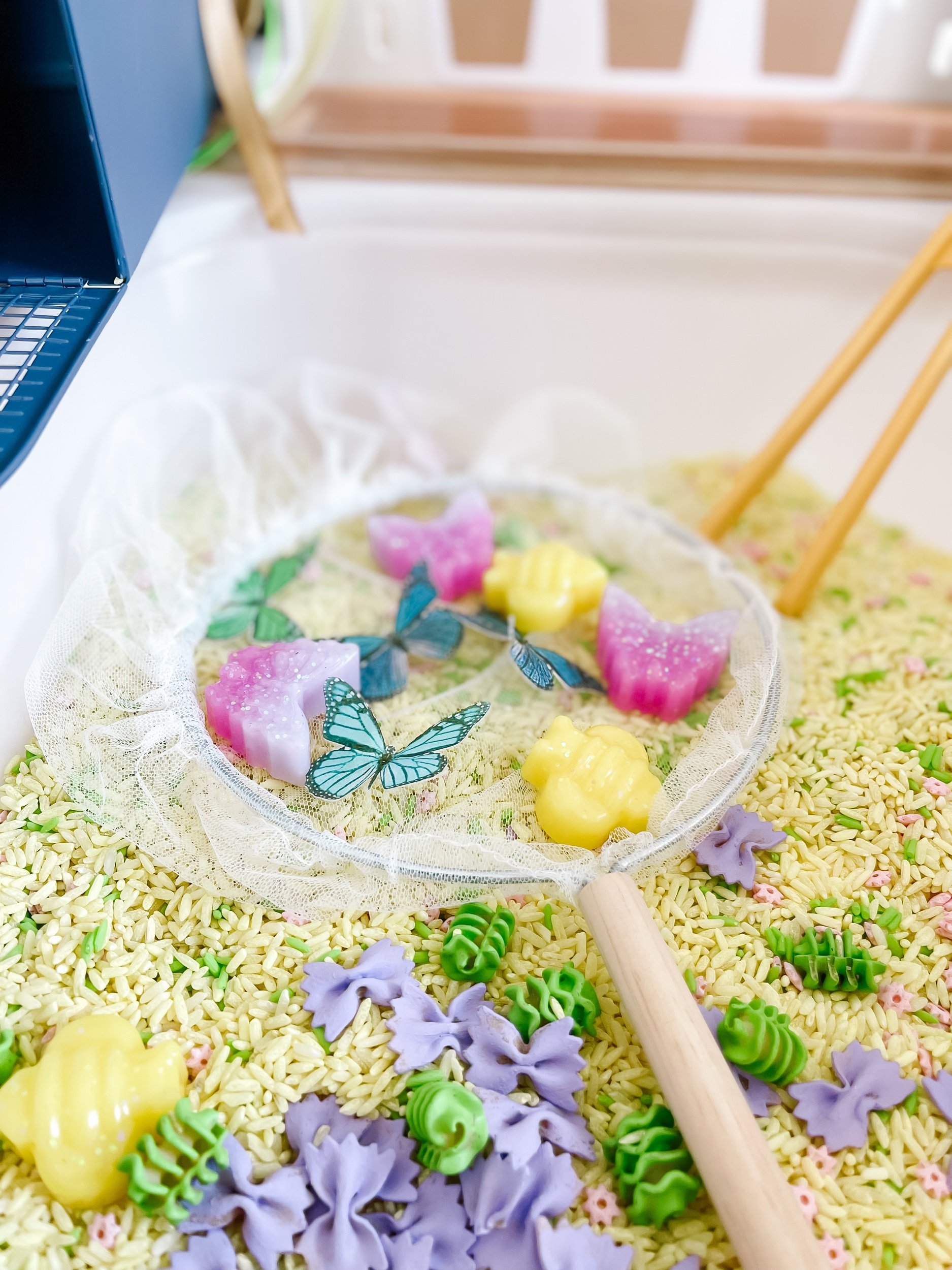
A bug and insect themed sensory bin with split peas and toy bugsReader favorite
Most loved right now

the bug & insect sensory bin

Our most-read bug post: a scoopable bug bin built from split peas, dried flowers and tiny creatures — set up in ten minutes and good for a whole week of play.

Time
10 min
Age
2–5
Mess
Medium
Level
Gentle
Read the setup
Start here

your first five steps into Bug World

A gentle onboarding path built from our most-used bug posts. Do them in order, or pick the one that fits today.
  1. 1

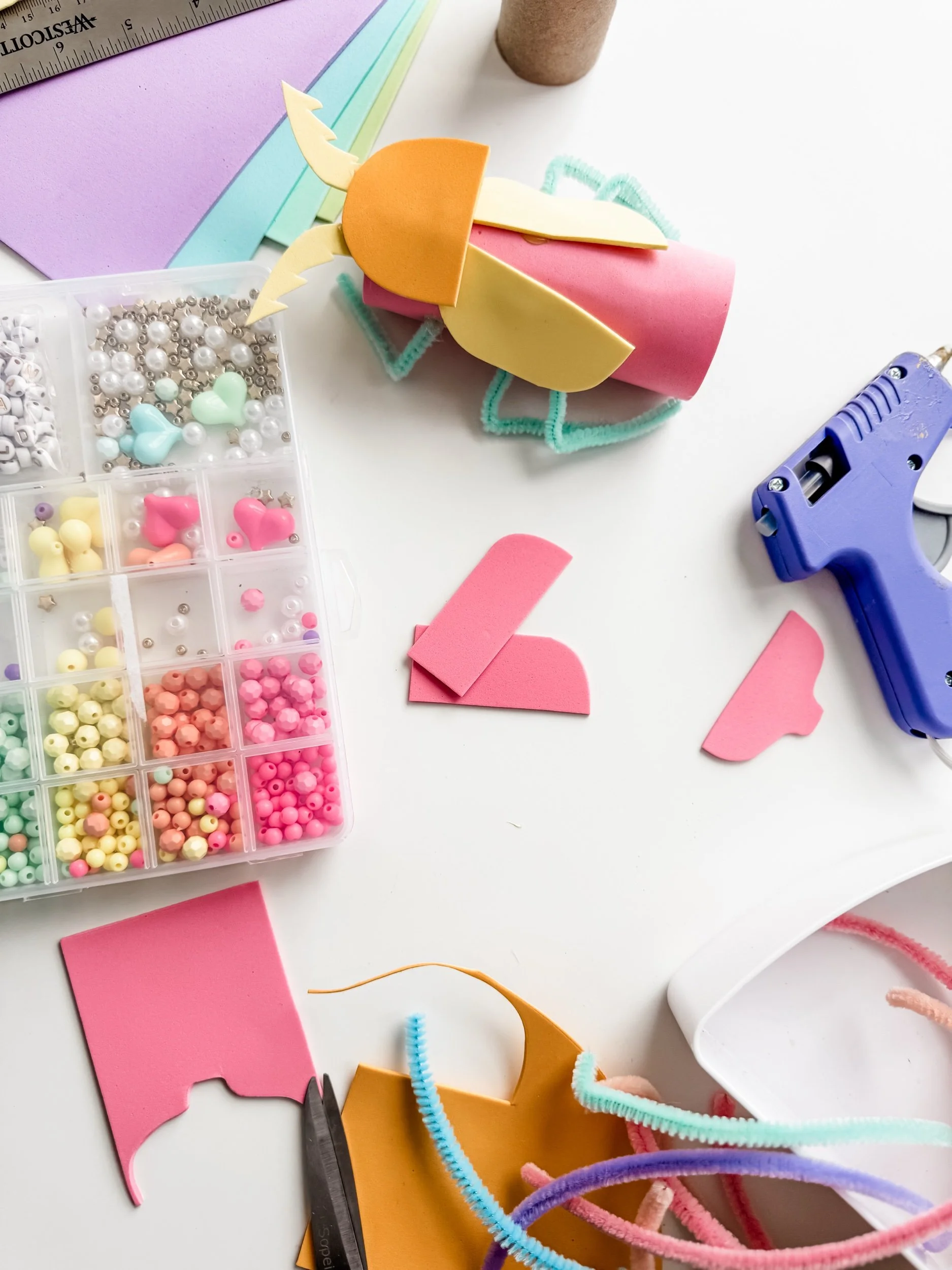
    Print the free Toilet Roll Bugs template

    The free craft template behind our toilet roll bug post — wings, spots and antennae, ready to cut.

    Get the freebie
  2. 2

    Build the bug sensory bin

    Split peas, dried flowers, a scoop and a handful of bugs. Our full base-and-filler breakdown.

    Read the post
  3. 3

    Make toilet roll bugs together

    An easy spring craft for toddlers and preschoolers that quietly builds fine motor strength.

    Start the craft
  4. 4

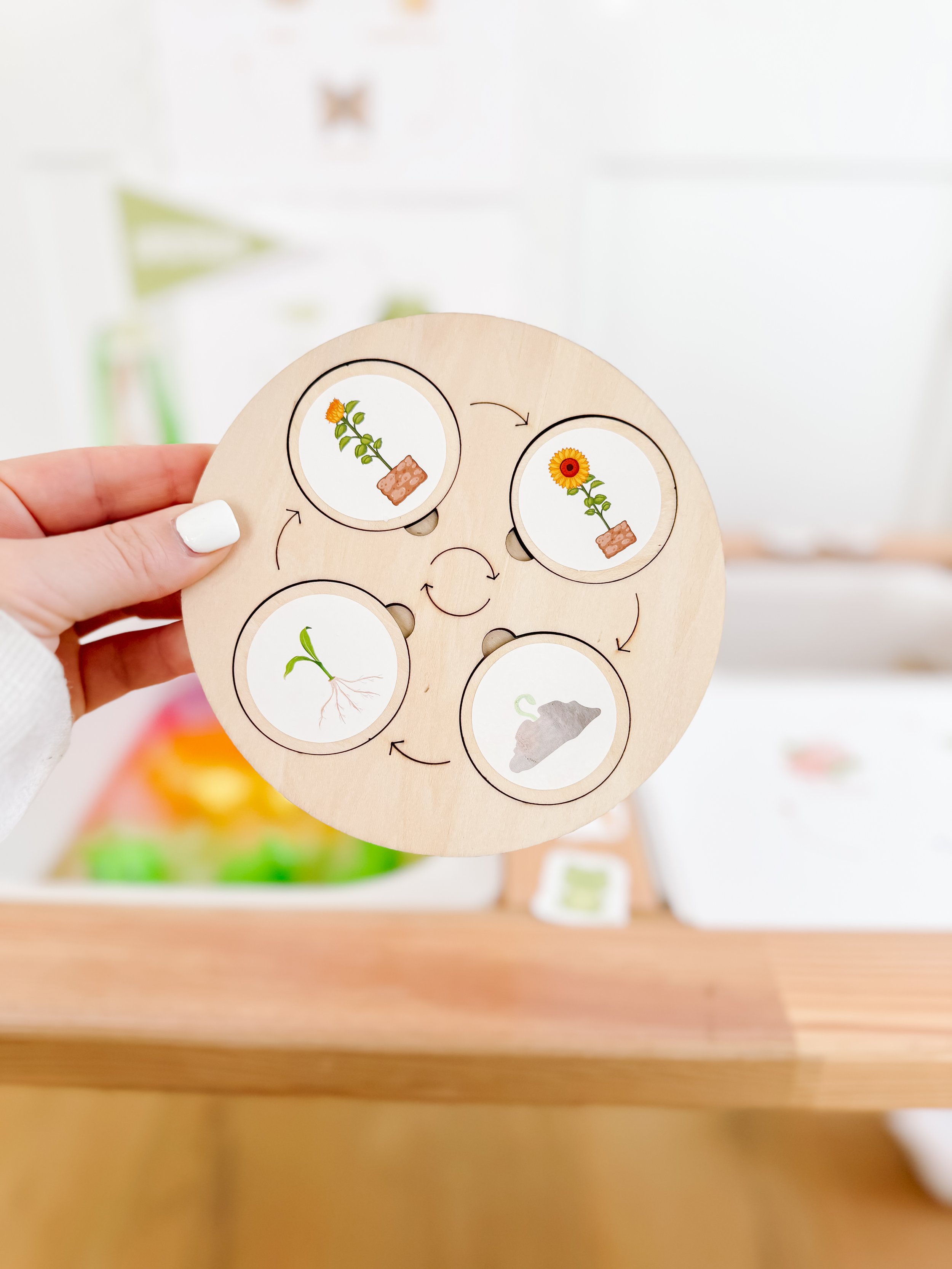
    Play through a lifecycle

    Butterfly, bee, ladybug and frog stages laid out as a sensory tray your child can sort.

    See the activity
  5. 5

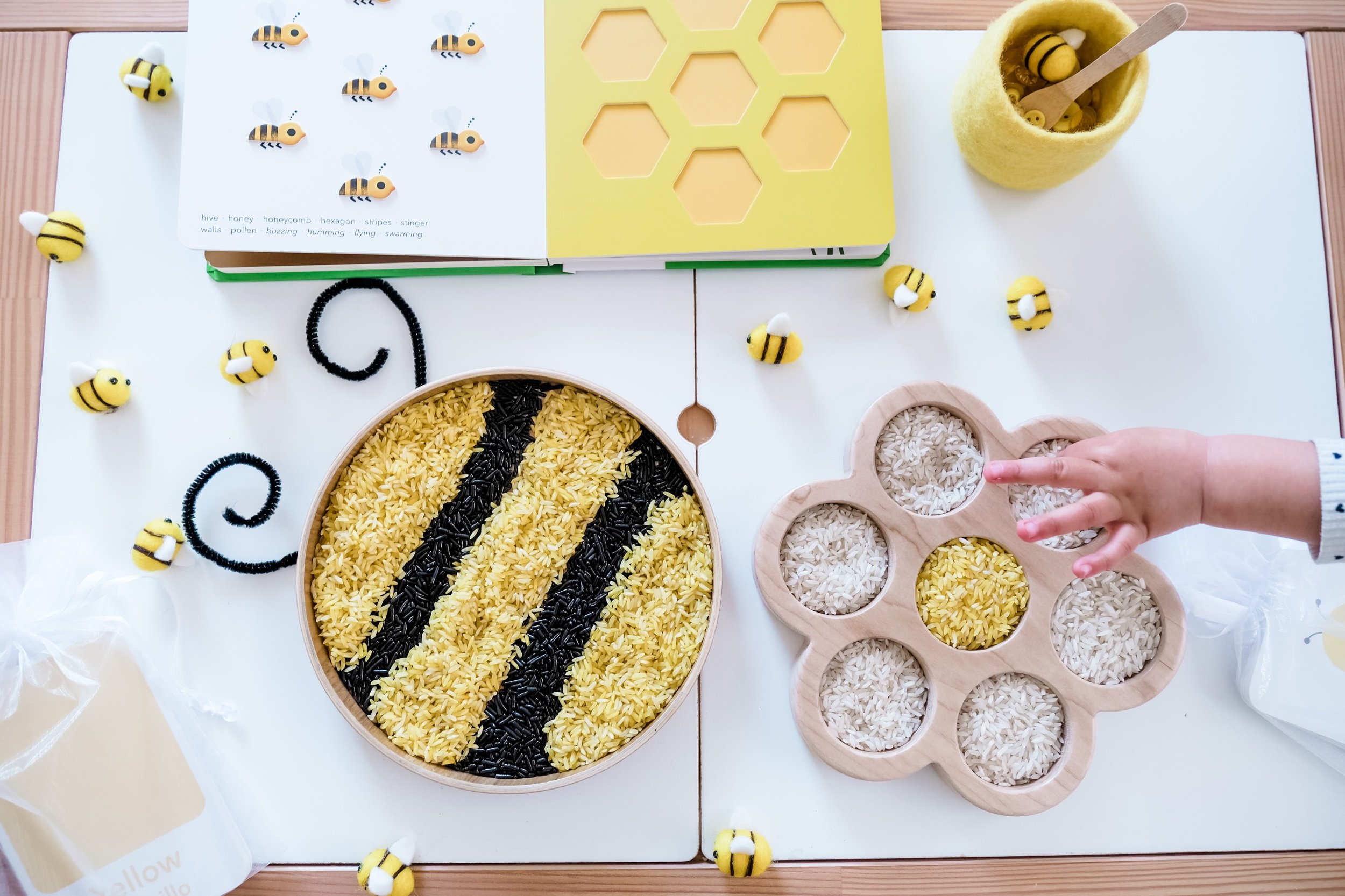
    Open the bee play tray

    Beekeeper pretend play with honeycomb, tongs and a little bee smoker. Ages 2 and up.

    See the tray
Skills

what tiny hands are learning

  • Bug watching6 activities
  • Lifecycles3 activities
  • Bug crafts4 activities
  • Fine motor7 activities
  • Bug vocabulary3 activities
  • Counting bees2 activities
Read the whole story

bug posts worth a cup of coffee

A child playing in the bug and insect sensory bin
Sensory bin

Exploring the amazing world of bugs

The full walkthrough of our bug and insect sensory bin — what goes in the base, which creatures hold up to toddler play, and how to reset it each morning.

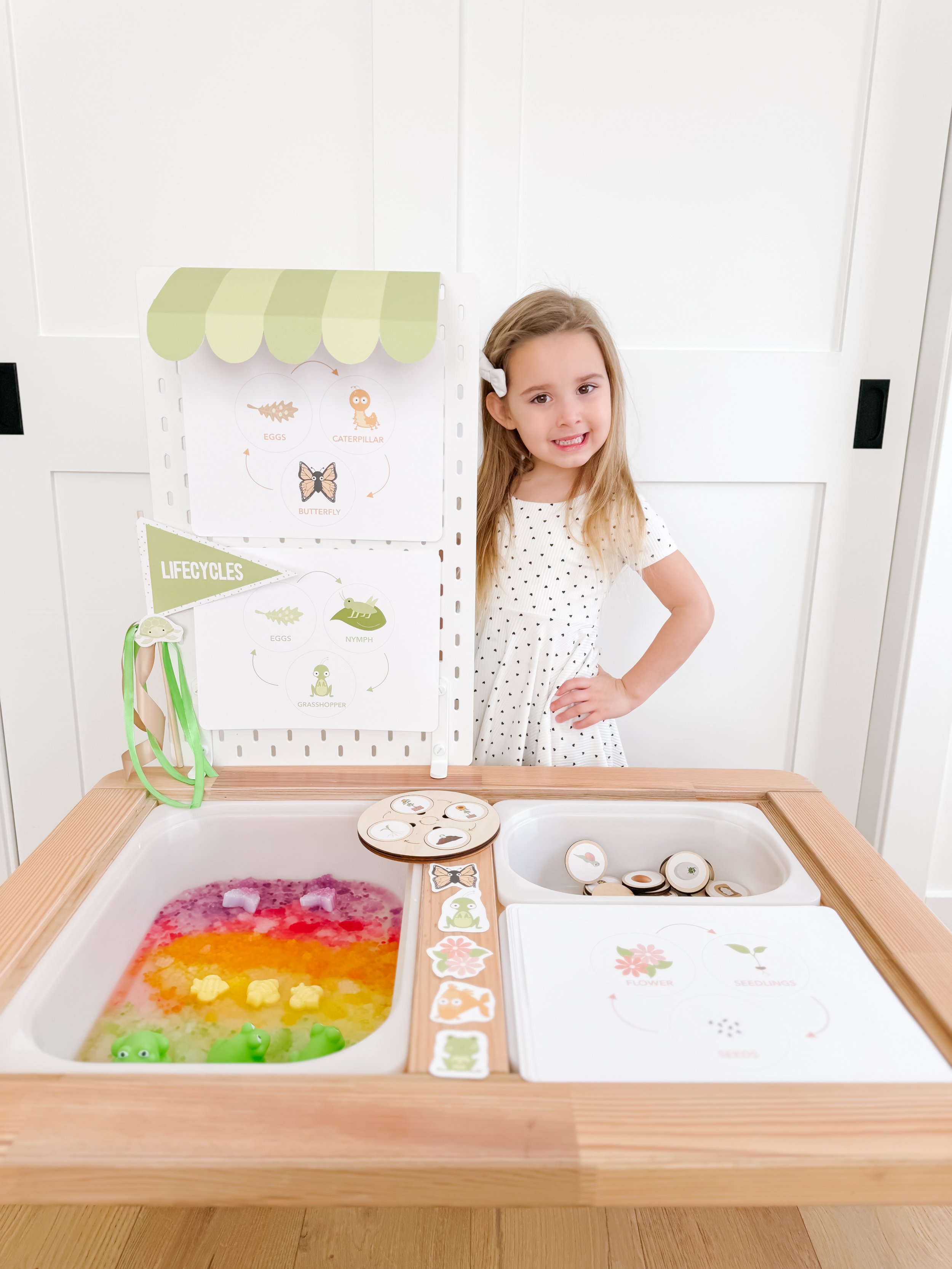
The Lifecycles sensory play kit laid out on a table
Science play

Lifecycles sensory play activity

How we introduced egg, larva, pupa and adult stages to a preschooler using a tray, stage cards and a lot of slow sorting.

Lifecycle stage cards and figures from the Lifecycles kit
Science corner

why lifecycles land better as play

A caterpillar becoming a butterfly is abstract until a child can hold each stage in their hand. When the egg, larva, pupa and adult are separate objects that get sorted, matched and lined up, the sequence stops being a fact to memorize and becomes something they already know.

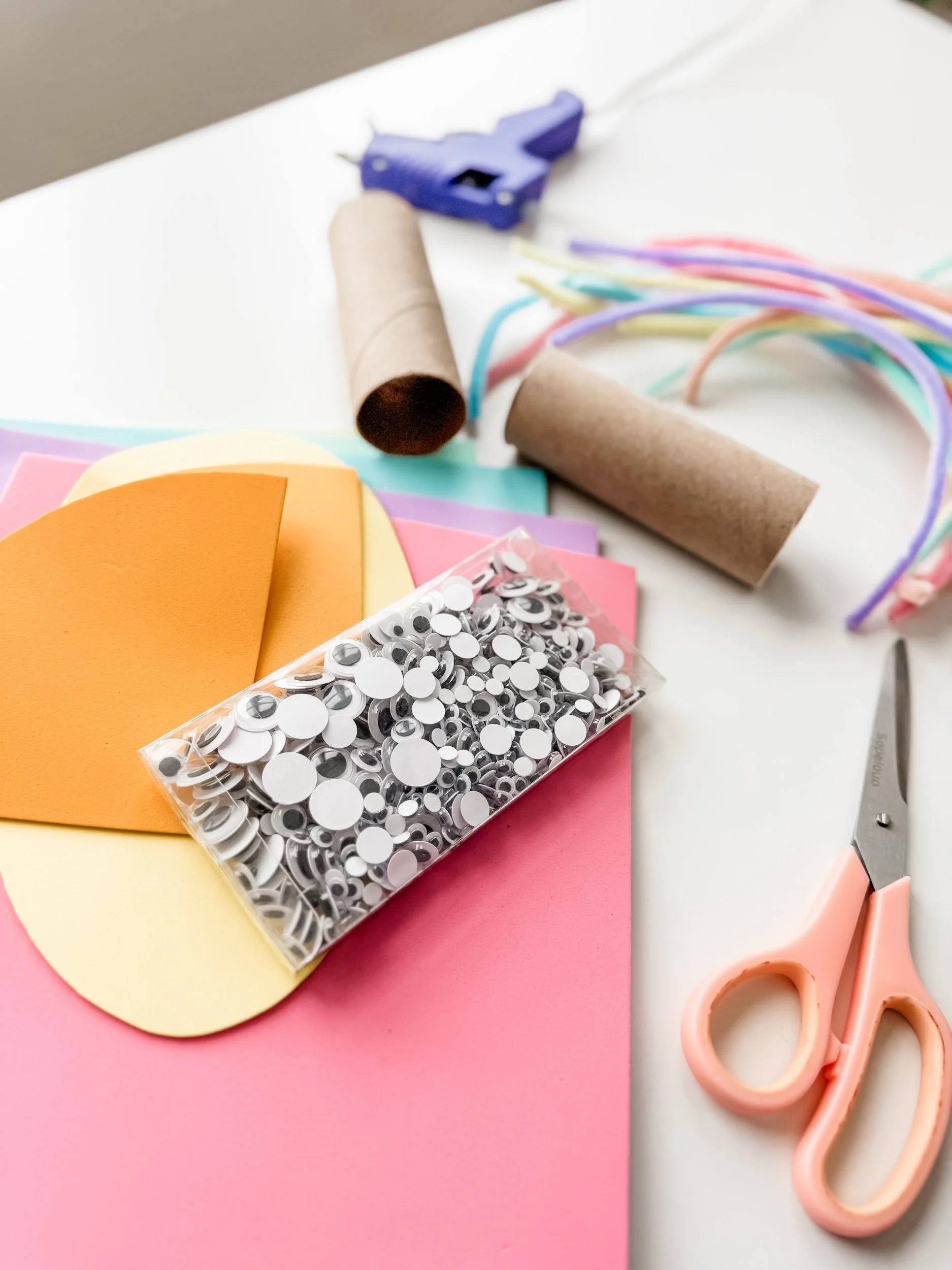
The Toilet Roll Bugs craft template printable
Free download

Toilet Roll Bugs Craft Template

The template we use in the toilet roll bug post — print, cut and turn a cardboard tube into a ladybug, bee or butterfly. Free in the shop.

Download free
Bug World vocabulary

tiny words for tiny creatures

metamorphosisantennalarvapupapollinatenectarhoneycombcolonycamouflage

Bug World shelf

The GoodnightFox Bee Sensory KitBestseller

Bee Sensory Kit

$22Shop
The GoodnightFox Garden Sensory Kit

Garden Sensory Kit

$15Shop
The Bumblebee Sensory Jar

Bumblebee Sensory Jar

$15Shop
Bugs Printable Dramatic Play pack

Bugs Printable Dramatic Play

Lifecycle Printable Dramatic Play Kit

Lifecycle Printable Dramatic Play Kit

Bugs Wood Play Rounds

Bugs Wood Play Rounds

$12Shop
Bugs Acrylic Charms

Bugs Acrylic Charms

$12Shop
Bee Counting Flashcards

Bee Counting Flashcards

$20Shop
Dragonfly Pipe Cleaner Challenge printable

Dragonfly Pipe Cleaner Challenge

Read together

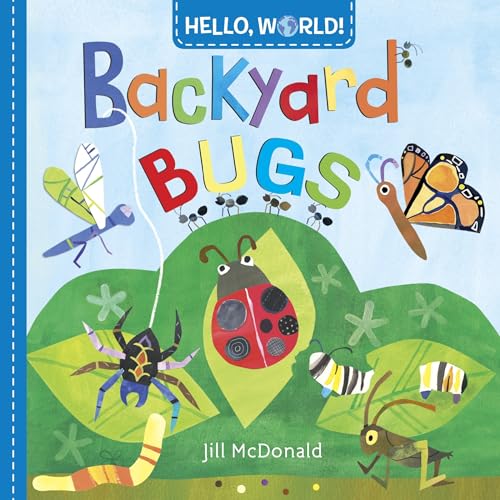
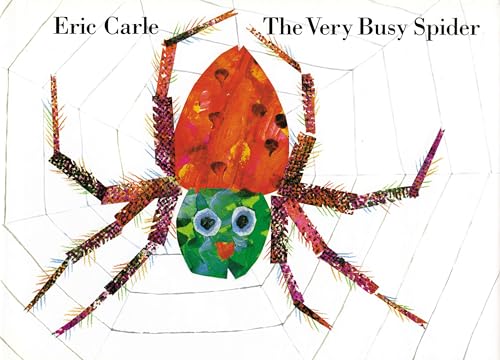
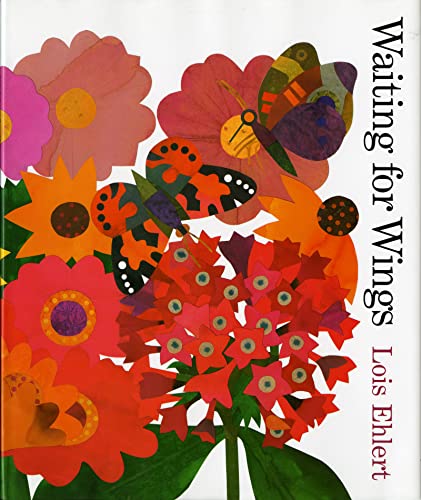
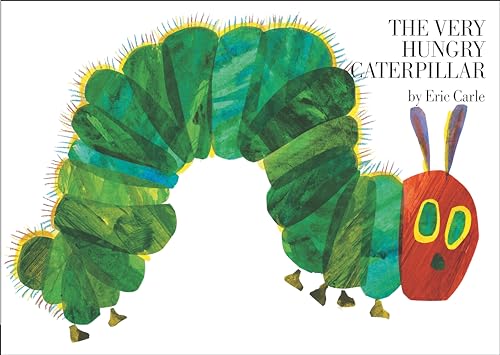
bug books for the basket

Some book links are Amazon affiliate links — we earn a small commission at no extra cost to you.

Questions

before you set up the bin

What age is bug play best for?
Most of these setups work from about 18 months through age 5. Younger toddlers need larger fillers and close adult supervision; preschoolers can handle small figures, tongs and lifecycle sorting. Check any food-based sensory materials against your own child's allergies.
Do I need a kit to do any of this?
No. Every activity here is written up as a blog post you can recreate with what you already have. The kits and printables just save you the sourcing and prep.
Which filler do you use in the bug bin?
Split peas are our default — cheap, green, and they pour beautifully. They are a food-based sensory material, so keep an adult nearby and swap them for a non-food filler if allergies or mouthing are a concern. Dried flowers, moss and small stones on top give it a garden-floor feel.
How do I store a bug sensory bin between uses?
Lid on, dry cupboard. A dry-filler bin like this keeps for months; refresh the dried flowers when they crumble and pull out anything that got wet.