KEEP THE WINTER PLAY GOING
Get the Free Winter Recipe Cards
Add another easy hands-on winter activity to your week with printable visual recipe cards designed for playful scooping, measuring and creating.
Get the Free Winter Recipe Cards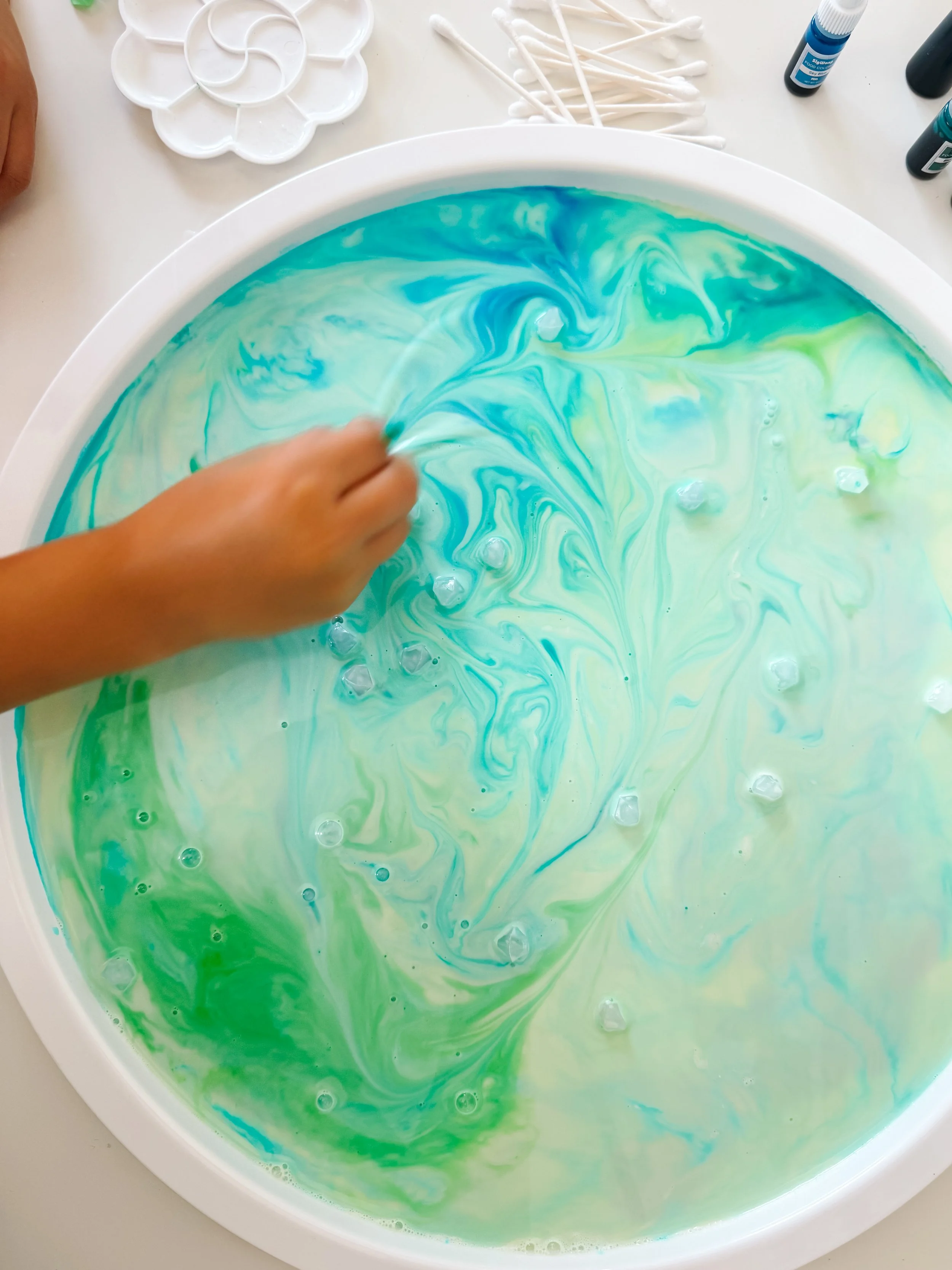
Every angle, before you read a single instruction.
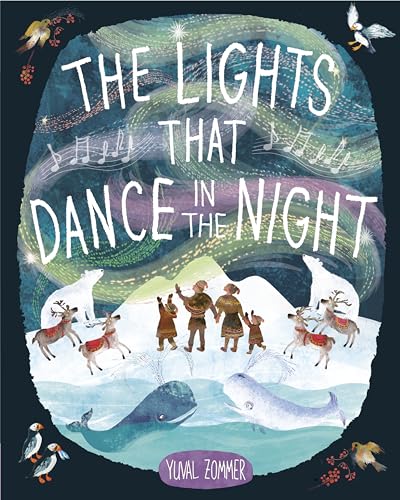
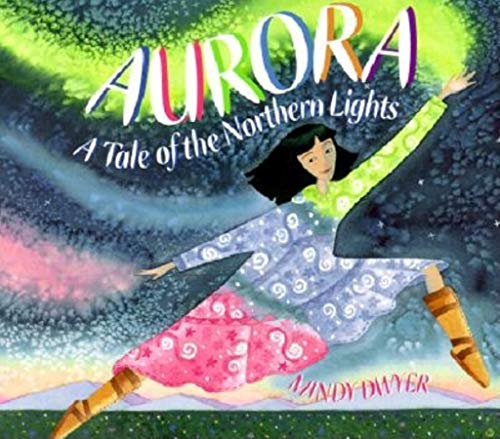
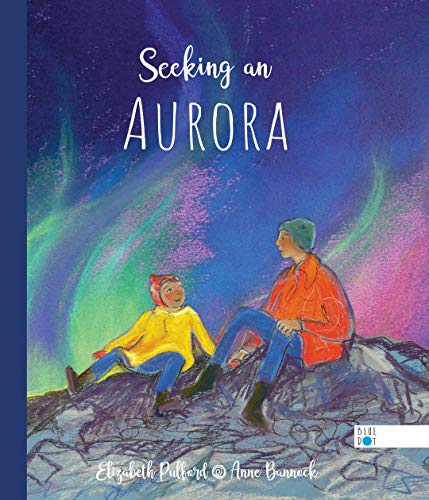
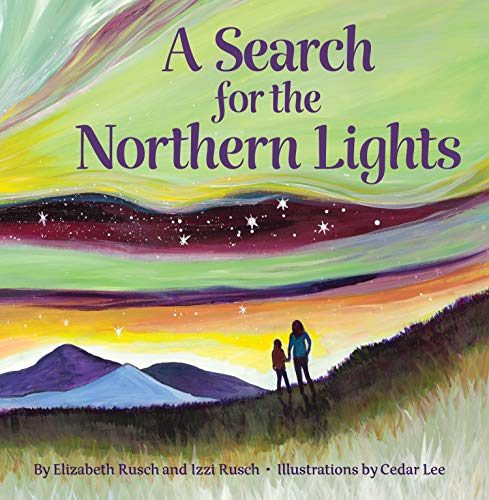
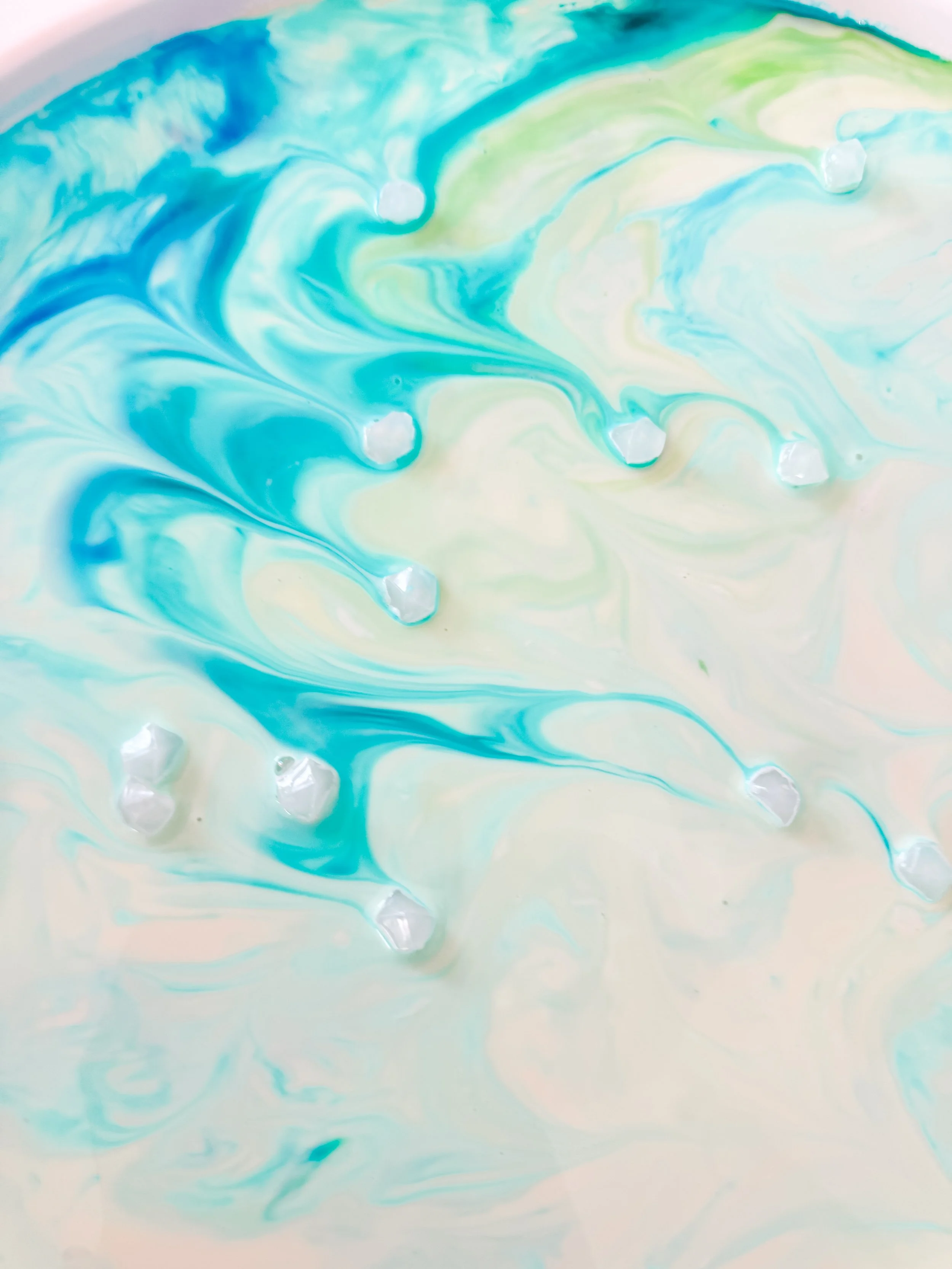
The real northern lights feel almost impossible to describe to a child — not quite a rainbow, not quite a cloud, not quite a beam of light. They move like glowing curtains and ribbons across a dark sky. Since we could not simply step outside and see the aurora from our backyard, Magic Milk was the perfect starting point: when dish soap touches the milk, the food coloring races, curls, and folds into flowing patterns. With deep blue, turquoise, teal, and green, the tray began to look like a tiny Arctic sky — clear gems scattered across it like stars and pieces of ice.
Add another easy hands-on winter activity to your week with printable visual recipe cards designed for playful scooping, measuring and creating.
Get the Free Winter Recipe CardsThe exact products we used, if you'd rather not hunt them down.
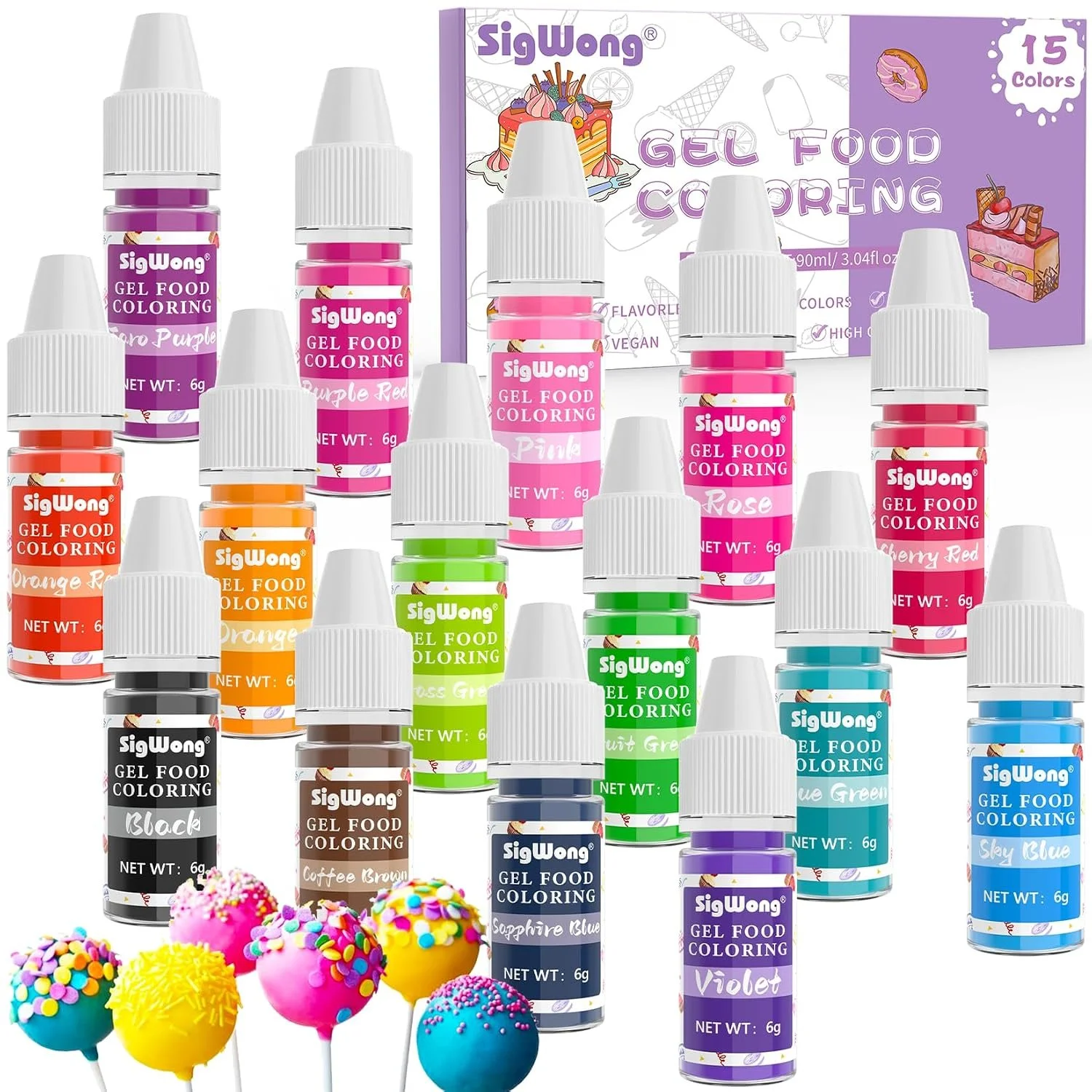
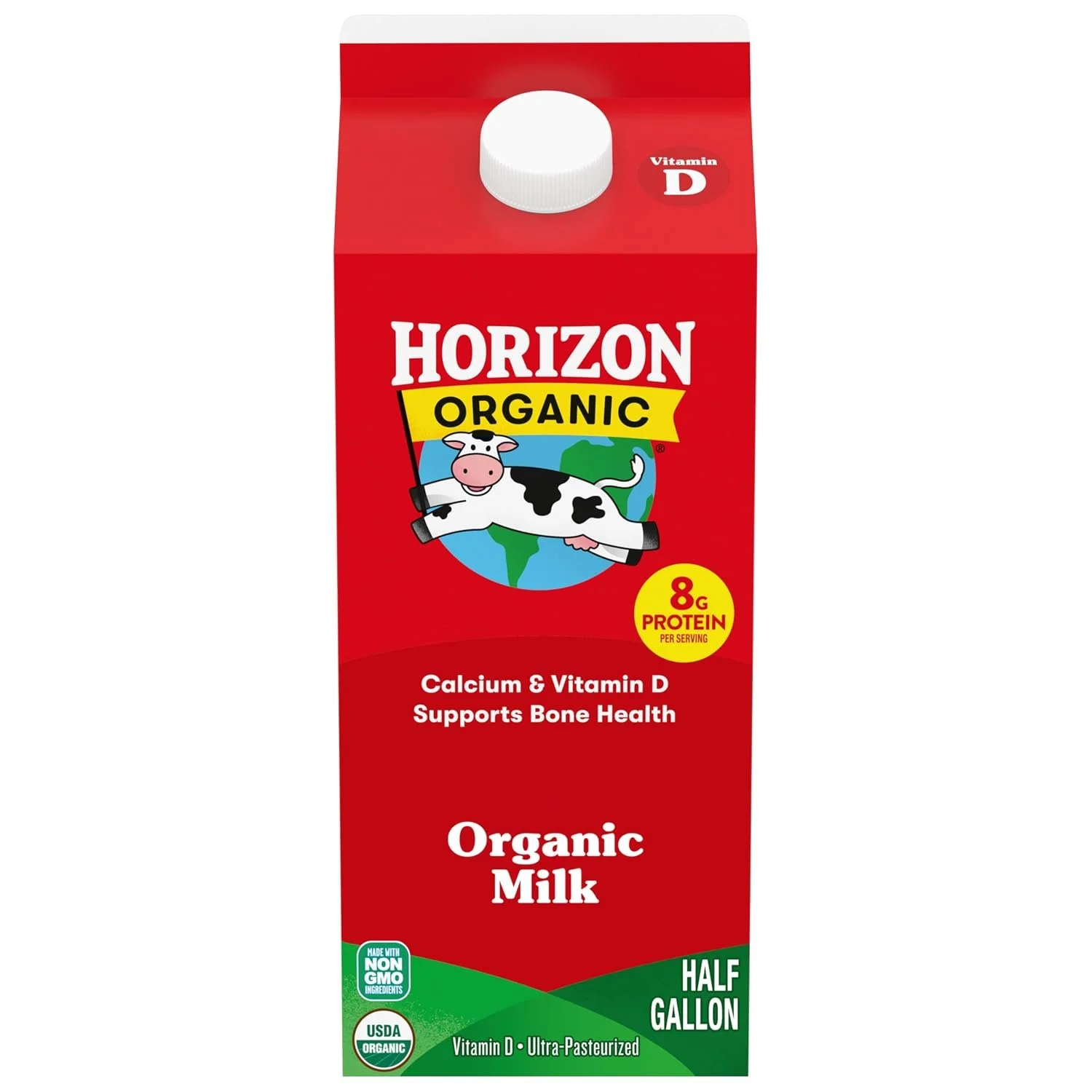
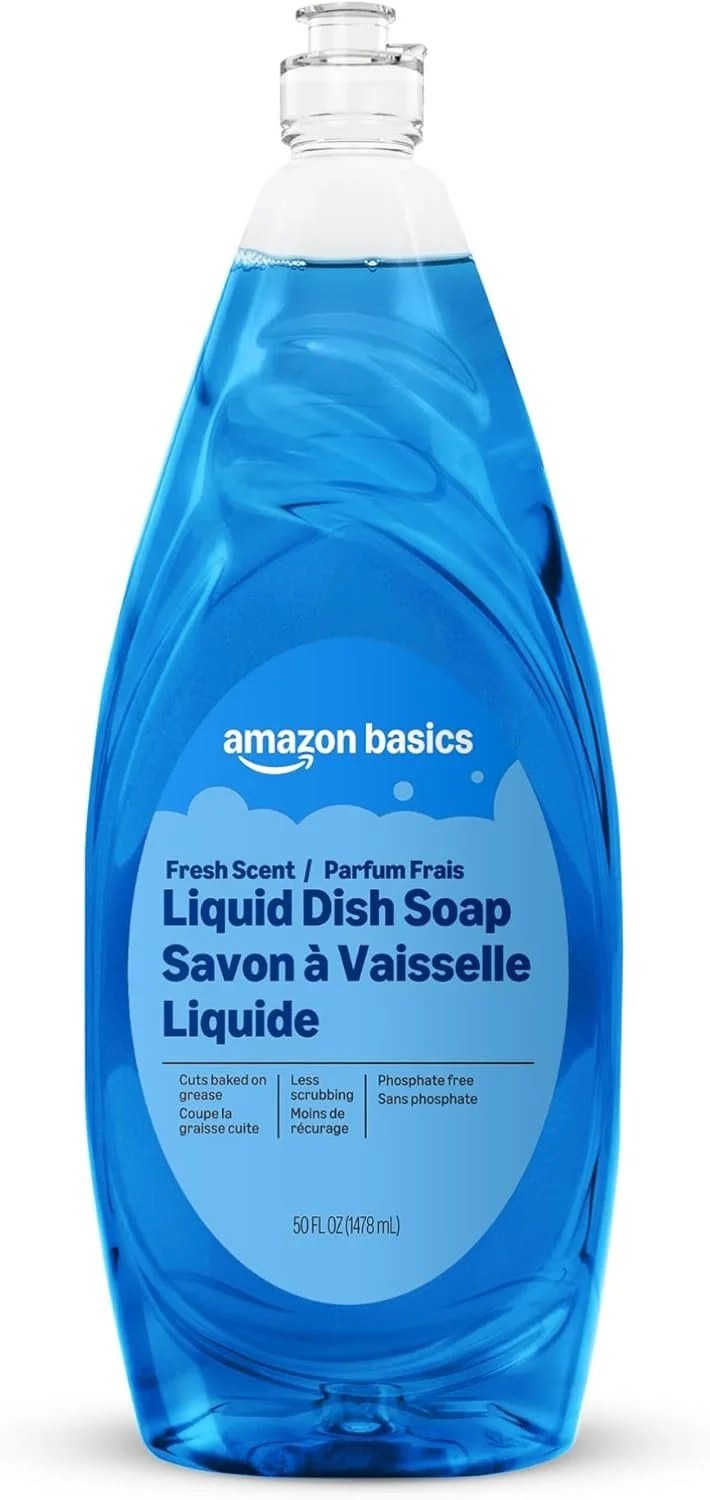
Some links are affiliate links. We only share things we actually use.
Follow along at your own pace.
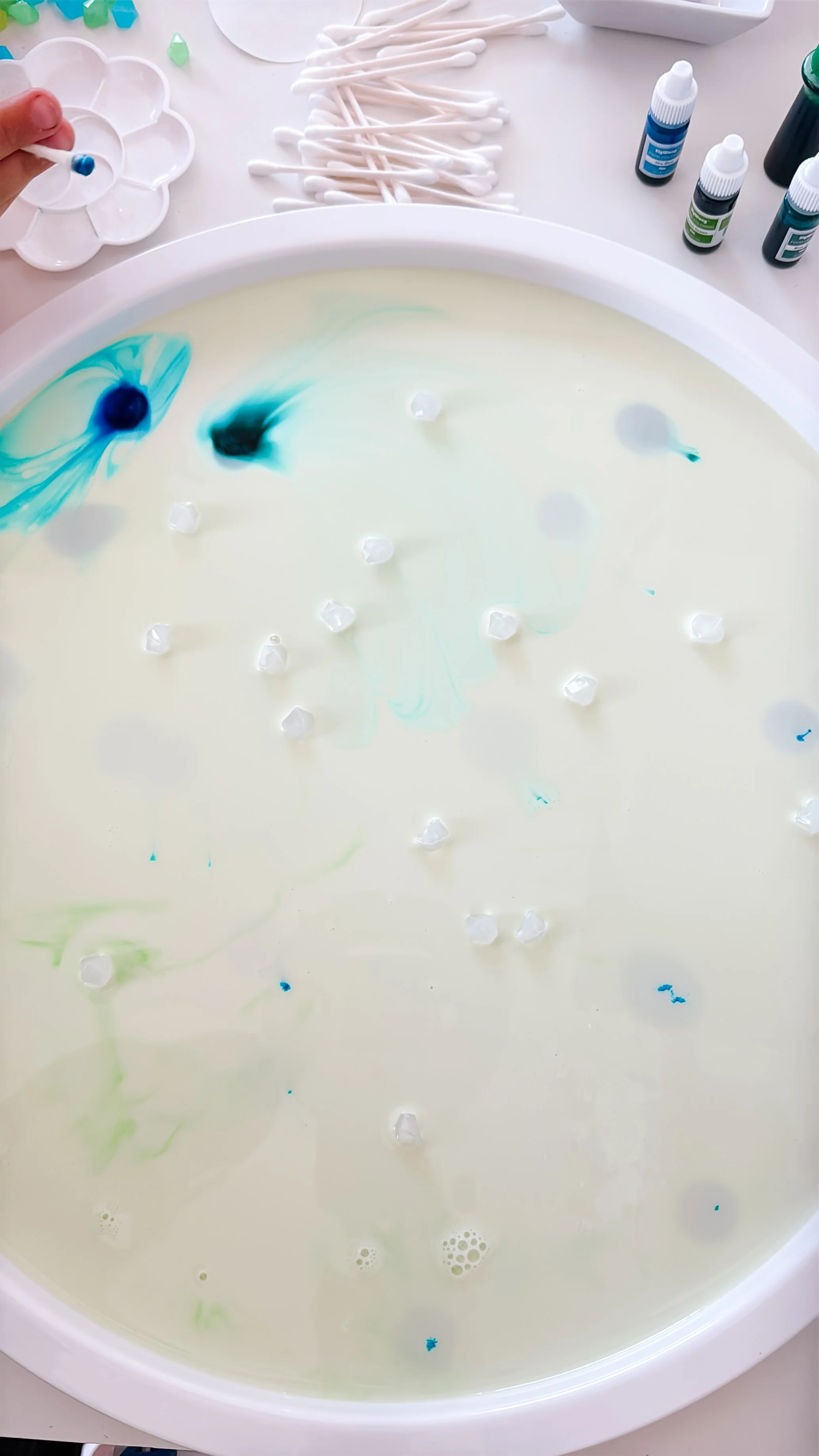
Pour enough whole milk into a shallow white tray to cover the bottom. Add small drops of blue, turquoise, and green food coloring around the milk, leaving plenty of white space between the drops so the colors have room to travel. Scatter clear gems across the tray to look like sparkling stars and pieces of Arctic ice.
Pour a small amount of dish soap into a separate dish. Dip one end of a cotton swab in the soap, then gently touch it to a drop of colored milk and hold still instead of stirring. Watch as the color quickly pulls away and begins traveling across the tray.
Use fresh soapy cotton swabs to touch several areas around the tray — the center of a dark color drop, the edge of a swirl, a pale area. Compare the movement each touch creates. The colors begin forming waves, ribbons, curls, and curtain-like shapes that look like photographs of the aurora.
Pause before adding more soap and watch how the liquid keeps moving. Follow one ribbon with your eyes: does it stretch, curl, fade, separate, or blend with another color? Compare the clear gems with stars, ice crystals, or distant planets floating in the night sky.
Add a fresh green drop in a quieter area and touch it with a clean soapy swab. Green is the most commonly observed aurora color — a good moment to explain that oxygen high in Earth's atmosphere can glow green after being energized.
Step back and look at the whole tray as a piece of process art. Which area looks brightest? Where do the lights look like curtains? Photograph the final design before cleanup, then use it as inspiration for an aurora painting or drawing.
Watching color race across milk and describing what it does — stretch, curl, fade, blend — is real observation practice, not just watching something pretty.
Before each soapy touch, guess where the color will travel. Checking the guess against what actually happens is the heart of experimenting.
Soap touches milk, surface tension drops, color moves. One small action, one visible reaction — cause and effect you can see in seconds.
Blue, turquoise, green, and a touch of purple layer and blend in the tray. The aurora palette is a color-mixing lesson that never looks the same twice.
The swirls are a way into the real thing: the Sun's particles, Earth's magnetic field guiding them to the poles, and gases glowing green and blue high above us.
Glowing, rippling, waving, dancing, curling, shimmering — the aurora gives children words worth reaching for.
What do you predict will happen when the soap touches the milk?
Which color begins moving first?
Do the colors move in straight lines, waves, circles, or spirals?
What does the pattern remind you of?
Why do you think auroras are often visible near Earth's poles?
What does Earth's magnetic field do?
Which gas can make an aurora glow green?
Where in the world would you travel to see them?
Some links are affiliate links. We only share books we actually read.
Same setup, different challenge.
Blend green, blue, purple, and pink chalk across black paper, then add white stars with a paint pen — the tray's ribbons, redrawn as art.
Test which household objects are attracted to a magnet and talk about Earth's invisible magnetic field — the same field that guides aurora particles to the poles.
Dim the lights and move green and blue scarves slowly like ribbons dancing through the night sky.
Find the Arctic and Antarctica on a globe and compare their land, oceans, animals, temperatures, and aurora names — borealis in the north, australis in the south.
Visit NOAA's aurora forecast together with an adult and look for the colored oval around the magnetic poles.