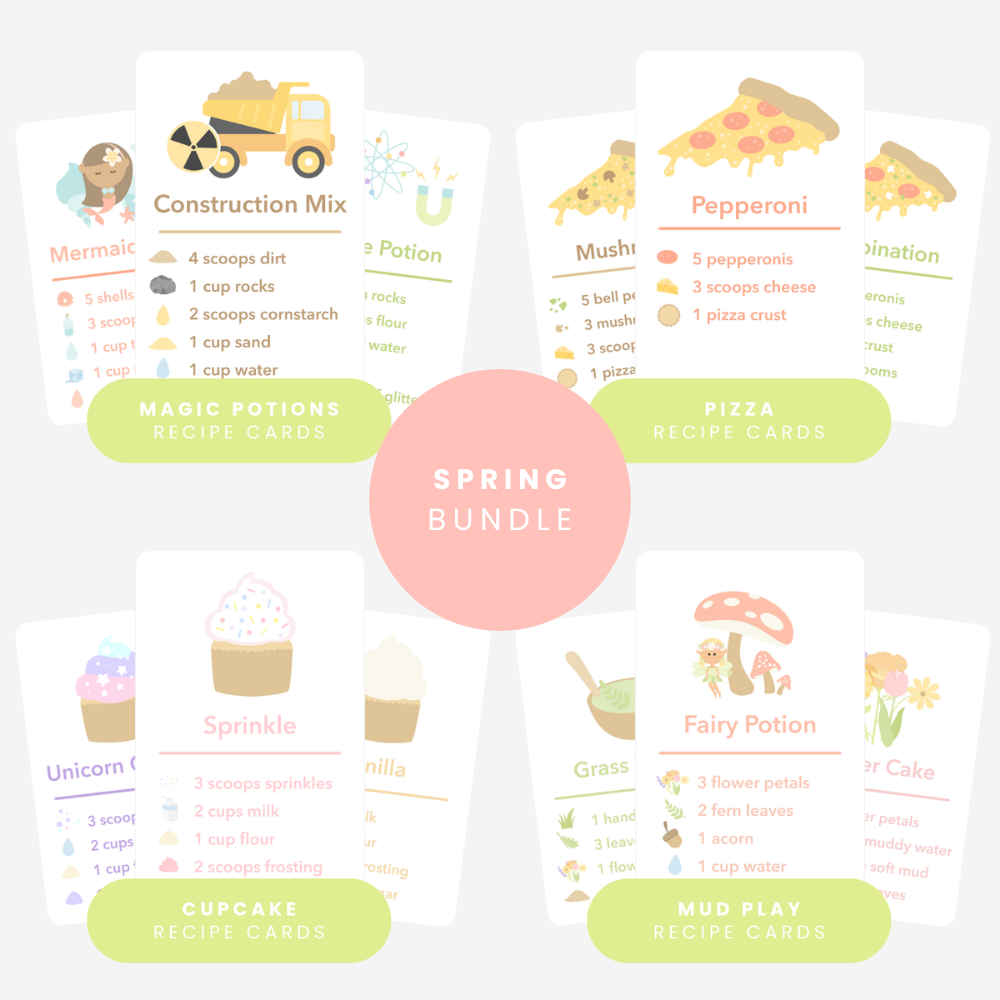
Free printable
Spring Sensory Play Recipe Cards
Printable spring sensory-play recipe cards with hands-on seasonal activity ideas.
Get the printableGoodnightFox Play Guides
Sensory play changes as children grow. A simple texture or water activity that fascinates a baby can become a pouring challenge for a toddler, an imaginative world for a preschooler, or an early science investigation for an older child. Instead of treating sensory play as one type of activity, families can adapt the materials, tools, prompts, and level of independence to each child’s developmental stage.
At this stage, sensory experiences can be simple and closely supervised. Babies are learning through sights, sounds, movement, textures, faces, and interaction with caregivers.
Focus on developmentally appropriate experiences such as looking at contrasting visuals, hearing gentle sounds, touching safe textures with caregiver support, and exploring movement during everyday play.
As babies become more mobile and begin reaching, grasping, transferring, and exploring objects, sensory experiences can include more opportunities for hands-on interaction.
Choose materials specifically for the individual child’s developmental stage and closely supervise exploration, particularly because babies commonly explore objects with their mouths.
One-year-olds may enjoy simple cause-and-effect experiences, filling and emptying containers, water play, stacking, moving objects, simple textures, and large age-appropriate loose parts.
Keep the setup simple and allow repetition. Repeating the same action can be an important part of exploration.
Two-year-olds can begin using more tools and imaginative elements during sensory play. Scoops, containers, simple sorting, toy animals, vehicles, play dough, water play, and themed invitations can add new possibilities.
Activities do not need a complicated goal. Exploration, language, movement, and pretend play can develop naturally from the setup.
Three-year-olds may begin creating longer stories around sensory materials and using more complex tools and prompts.
Try incorporating pretend-play themes, color sorting, simple counting, vocabulary, matching, small-world scenes, play dough invitations, seasonal activities, and basic science exploration.
Four-year-olds can often engage with sensory activities that include more elaborate imaginative play, early literacy, early math, patterns, sequencing, experiments, building challenges, and collaborative play.
Allow children to help plan or modify the setup so they become participants in creating the activity rather than only receiving it.
Older preschoolers can use sensory materials as part of storytelling, art, science, engineering, literacy, math, and complex pretend play.
Open-ended challenges, experiments, building invitations, dramatic-play environments, recipes, observation prompts, and creative projects can extend sensory exploration while preserving the playful experience.
Age ranges are guides rather than guarantees of readiness. Children develop at different rates and have different interests, sensory preferences, abilities, allergies, and support needs.
Choose materials and activities for the individual child, consider choking and other hazards, and provide appropriate adult supervision.
GoodnightFox creates sensory activities, pretend play, crafts, printable resources, themed learning ideas, and free downloads that families can adapt as children grow.
Printable spring sensory-play recipe cards with hands-on seasonal activity ideas.
Get the printable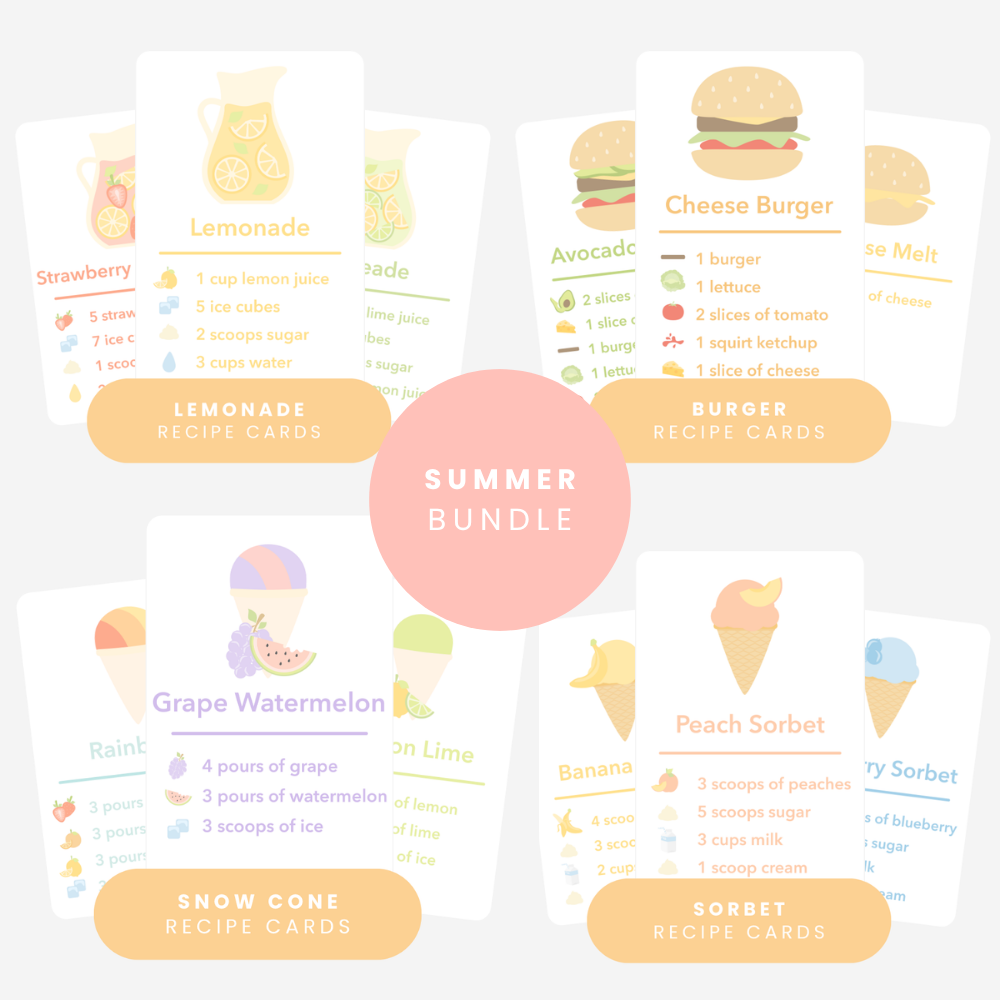
Printable summer sensory-play recipe cards for playful warm-weather activities.
Get the printable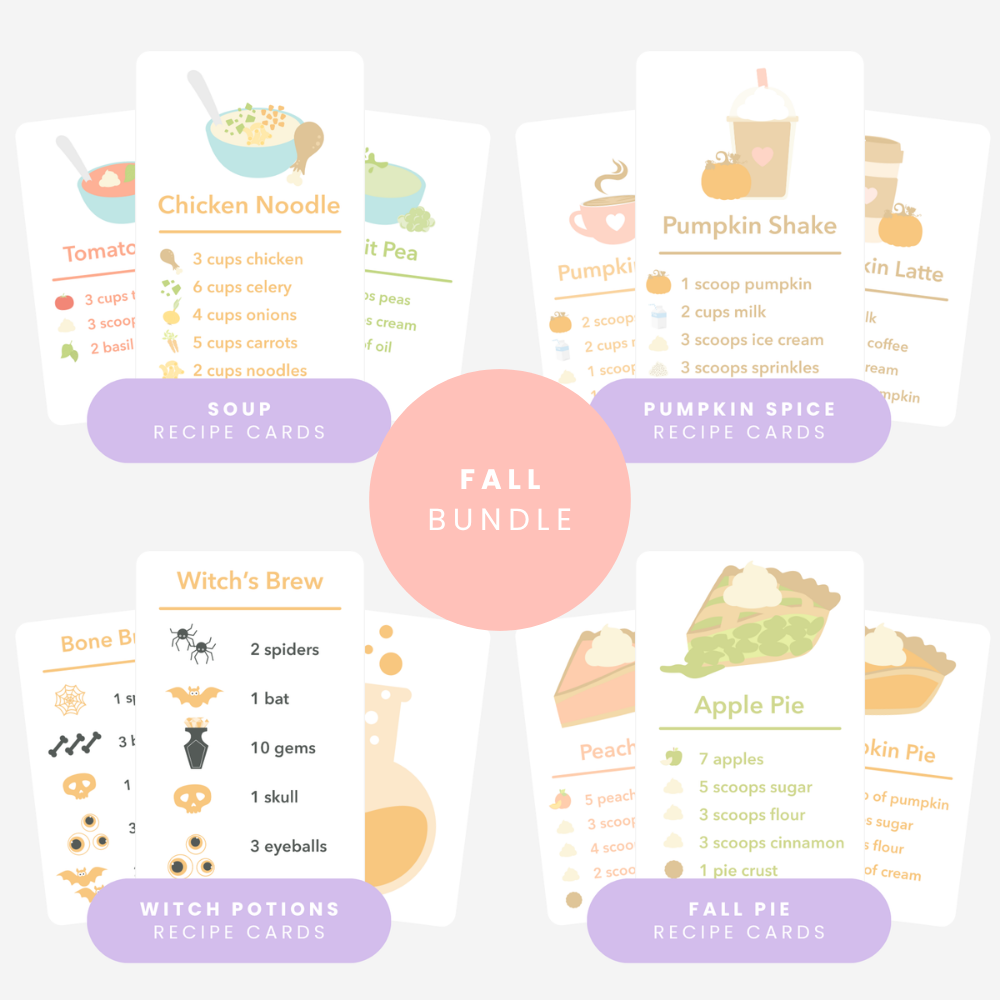
Printable fall recipe cards with playful seasonal sensory activities for toddlers and preschoolers.
Get the printable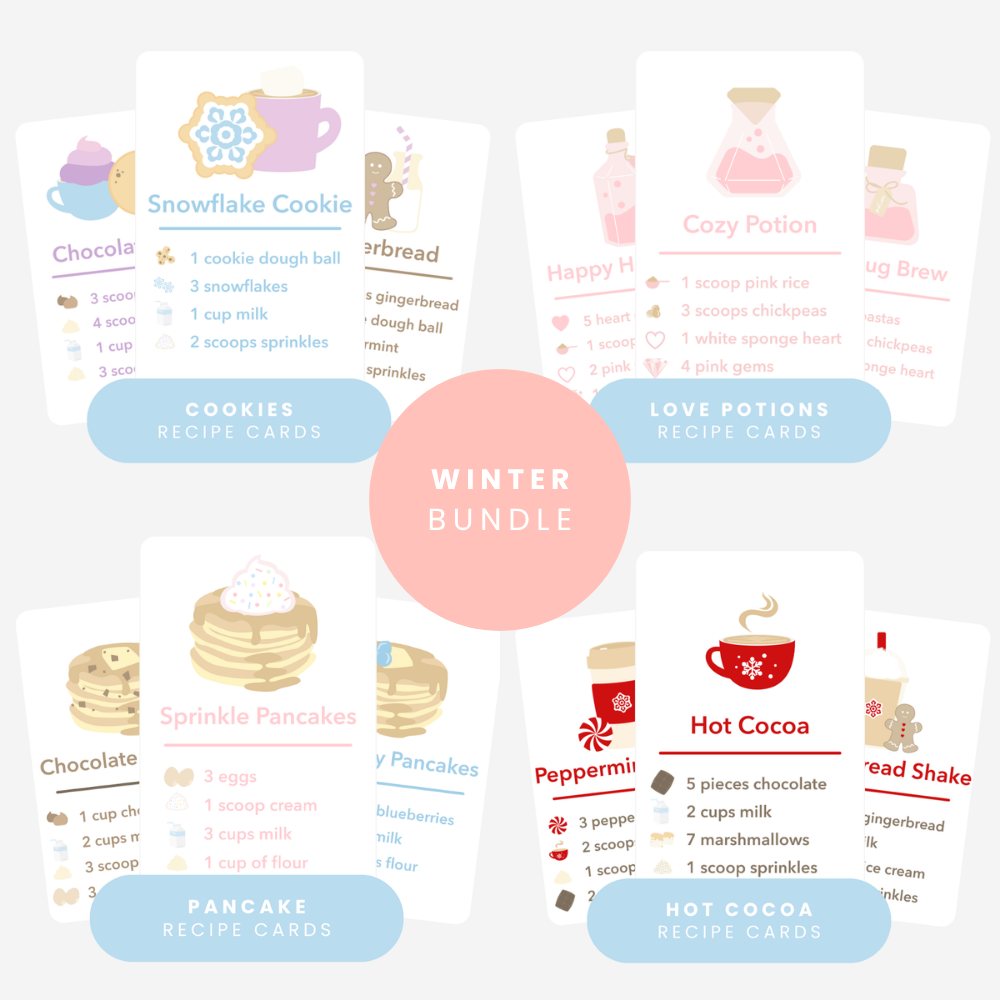
Printable winter sensory-play recipe cards for toddlers and preschoolers.
Get the printableSensory experiences begin from infancy, but the materials, environment, and level of interaction should always be appropriate for the individual child’s developmental stage.
Many two-year-olds enjoy activities involving scooping, pouring, transferring, water, play dough, containers, simple sorting, toys, and imaginative play.
Preschool sensory activities can incorporate pretend play, science experiments, building, art, storytelling, early literacy, early math, sorting, patterns, and open-ended challenges.
No. Sensory experiences can involve water, play dough, fabric, paper, natural materials, reusable loose parts, toys, or many other materials. Sensory play does not have to involve messy fillers.
The same basic activity can often grow with a child by changing the tools, prompts, learning opportunities, materials, or level of independence.