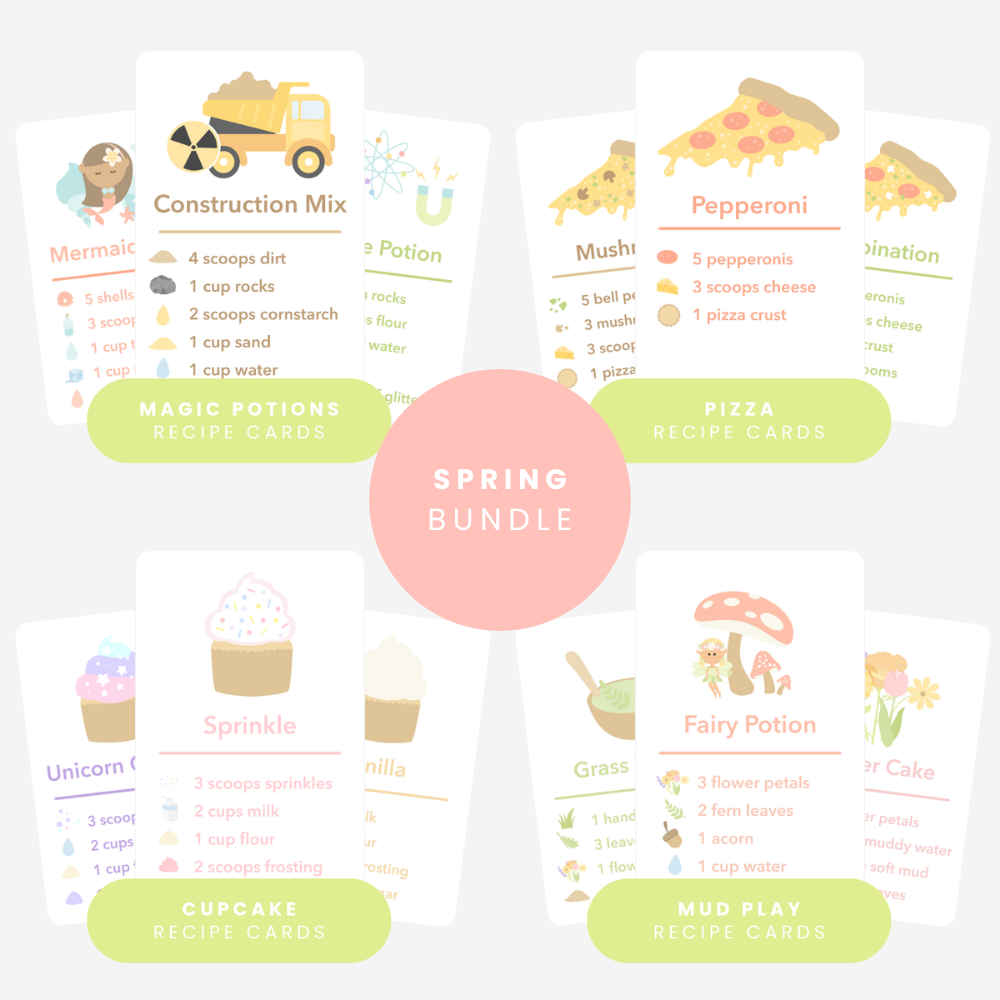
Free printable
Spring Sensory Play Recipe Cards
Printable spring sensory-play recipe cards with hands-on seasonal activity ideas.
Get the printableGoodnightFox Play Guides
Sensory bins give toddlers and preschoolers a hands-on way to scoop, pour, sort, build, imagine, experiment, and explore. They can be as simple as a container of water with cups or as elaborate as a themed small world with printable decor and pretend play pieces. GoodnightFox sensory bin ideas combine playful themes with approachable activities families can adapt to the materials and space they already have.
A sensory bin is a container filled with materials children can explore through touch, movement, sound, sight, and imaginative play. Sensory bins can be created in storage containers, bowls, trays, water tables, sensory tables, or IKEA FLISAT-style bins.
The goal does not have to be complicated. A simple material paired with a scoop, container, toy, or playful prompt can create an engaging sensory experience.
Choose materials based on the child’s age, abilities, allergies, and developmental stage. Consider choking risks and other hazards, and supervise sensory play closely.
You do not need a large collection of specialized sensory materials. Many activities can be created by combining toys and household items you already own with one simple sensory invitation.
Sensory bins can create natural opportunities for fine-motor practice, vocabulary, counting, sorting, comparison, storytelling, observation, problem-solving, color recognition, early literacy, imaginative play, and scientific exploration.
The learning opportunity can change as the child changes how they interact with the same materials.
When interest begins to fade, try introducing one new tool or goal instead of replacing the entire activity.
Simple activity extenders can include scoops, tongs, funnels, puzzle pieces, magnifying glasses, color sorting prompts, ten frames, or empty containers. A small change can give children a new reason to investigate familiar materials.
Themes can turn a simple sensory activity into a larger imaginative world. Children might explore an ocean, dinosaur dig, bakery, farm, construction site, campsite, science lab, garden, seasonal scene, or pretend shop.
Printable signs, activity pieces, labels, characters, and play prompts can help establish the theme while leaving the hands-on materials at the center of the experience.
GoodnightFox creates sensory play activities, themed play ideas, printable resources, crafts, and pretend play experiences for toddlers and preschoolers. Explore the GoodnightFox Play Library for hands-on activities organized around playful themes and learning opportunities.
Printable spring sensory-play recipe cards with hands-on seasonal activity ideas.
Get the printable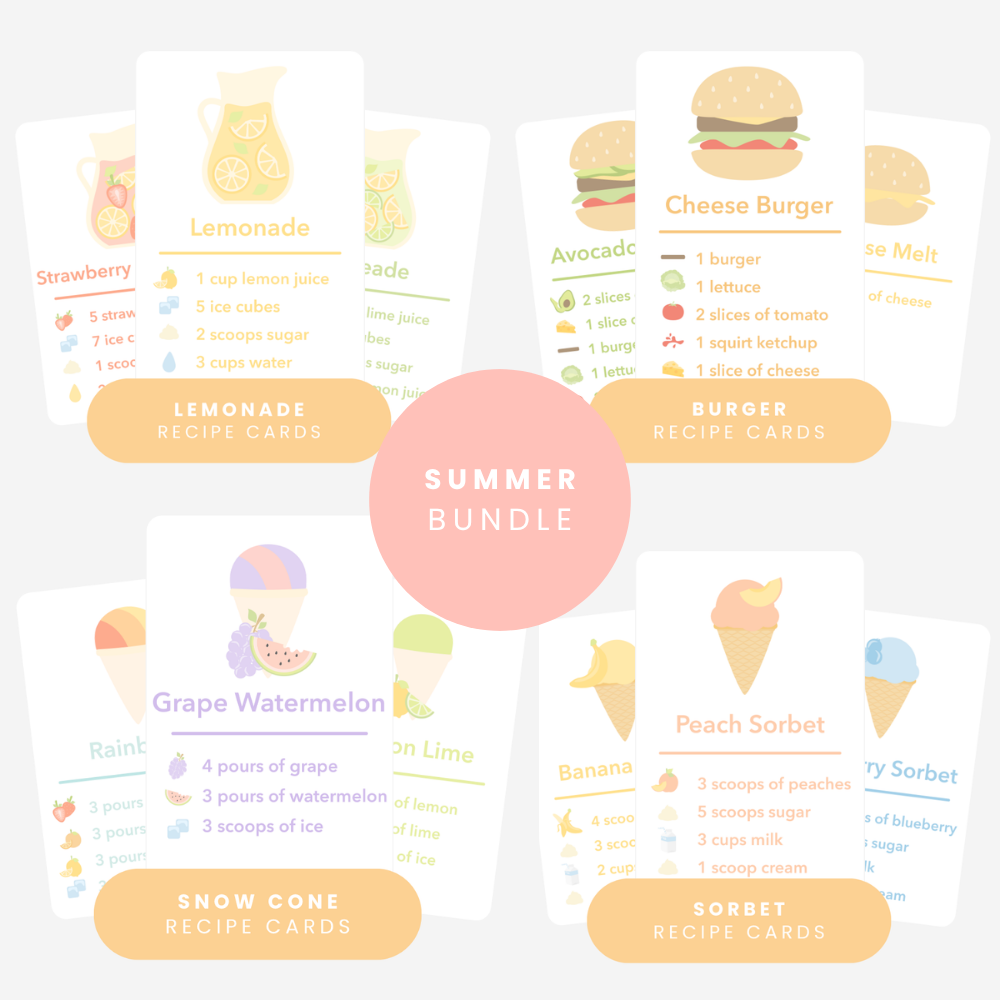
Printable summer sensory-play recipe cards for playful warm-weather activities.
Get the printable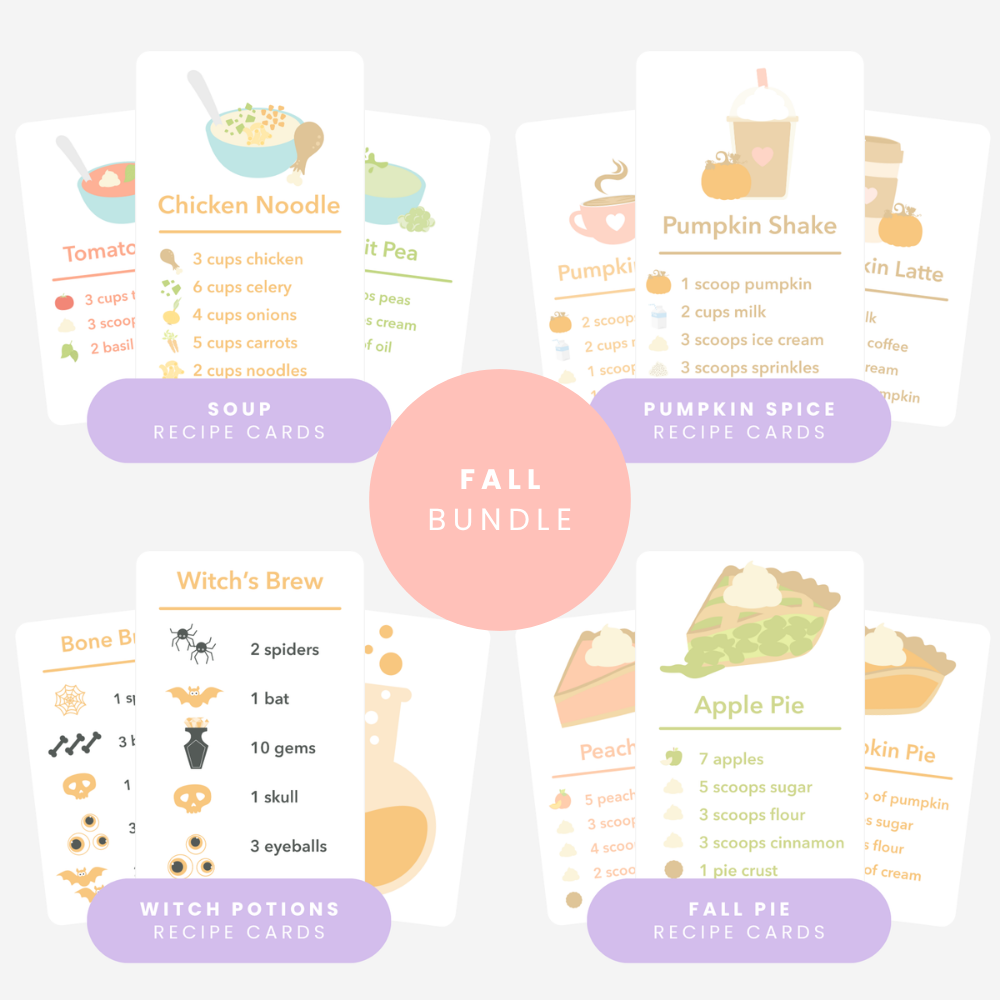
Printable fall recipe cards with playful seasonal sensory activities for toddlers and preschoolers.
Get the printableSensory play can be adapted for many ages, but materials and activities should always be selected for the individual child’s developmental stage and abilities. Consider choking risks, allergies, and other hazards and supervise sensory play closely.
A simple container of water with cups, scoops, or age-appropriate toys can create an easy sensory activity with very little preparation.
No. Sensory bins can use water, paper, fabric, play dough, natural materials, reusable loose parts, toys, craft materials, and many other options.
Yes. Sensory play can create opportunities for counting, sorting, vocabulary, fine-motor practice, storytelling, observation, comparison, problem-solving, and imaginative play.
No. Sensory activities can be created in bowls, trays, storage containers, water tables, regular tables, or dedicated sensory tables.