Start here
Alphabet
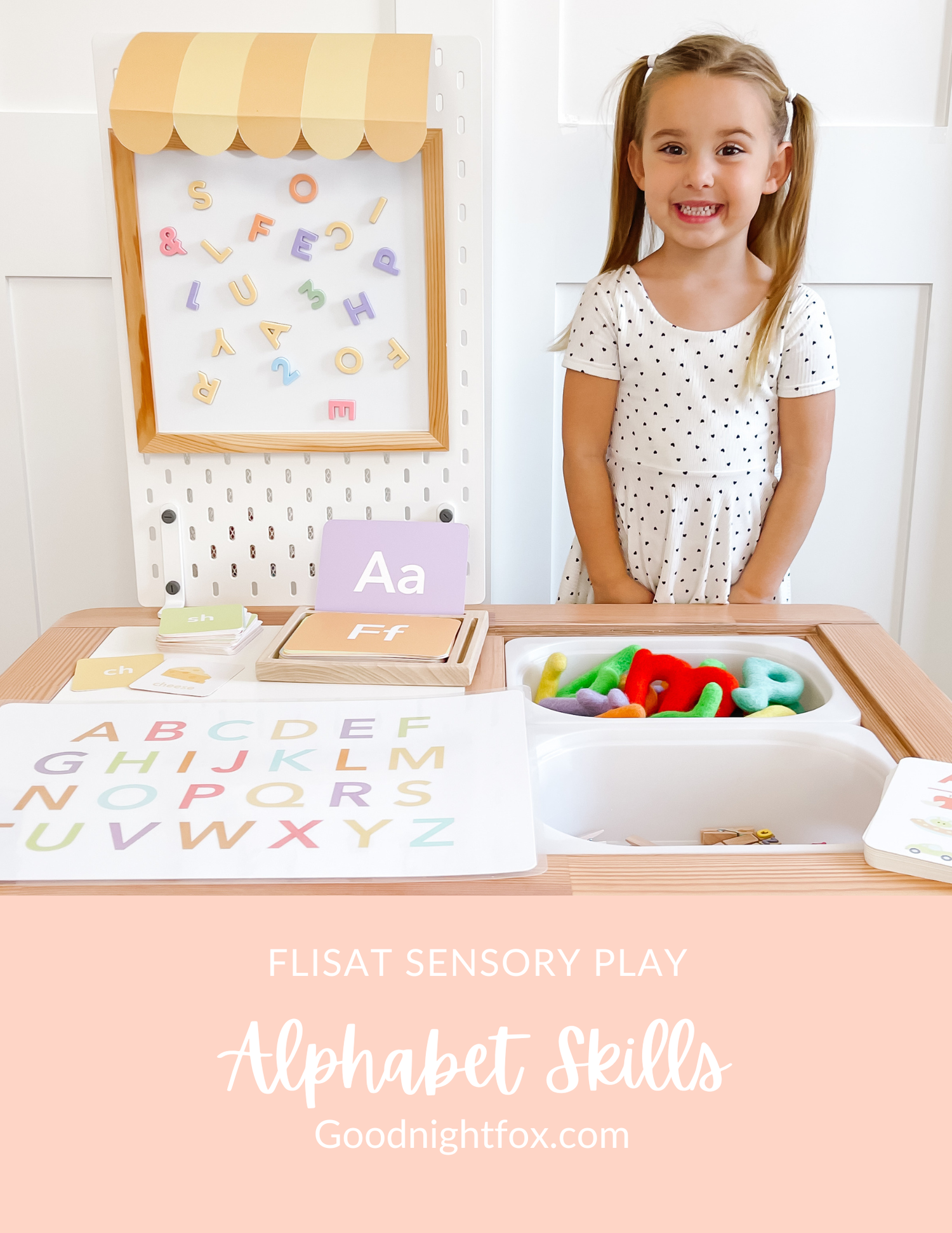
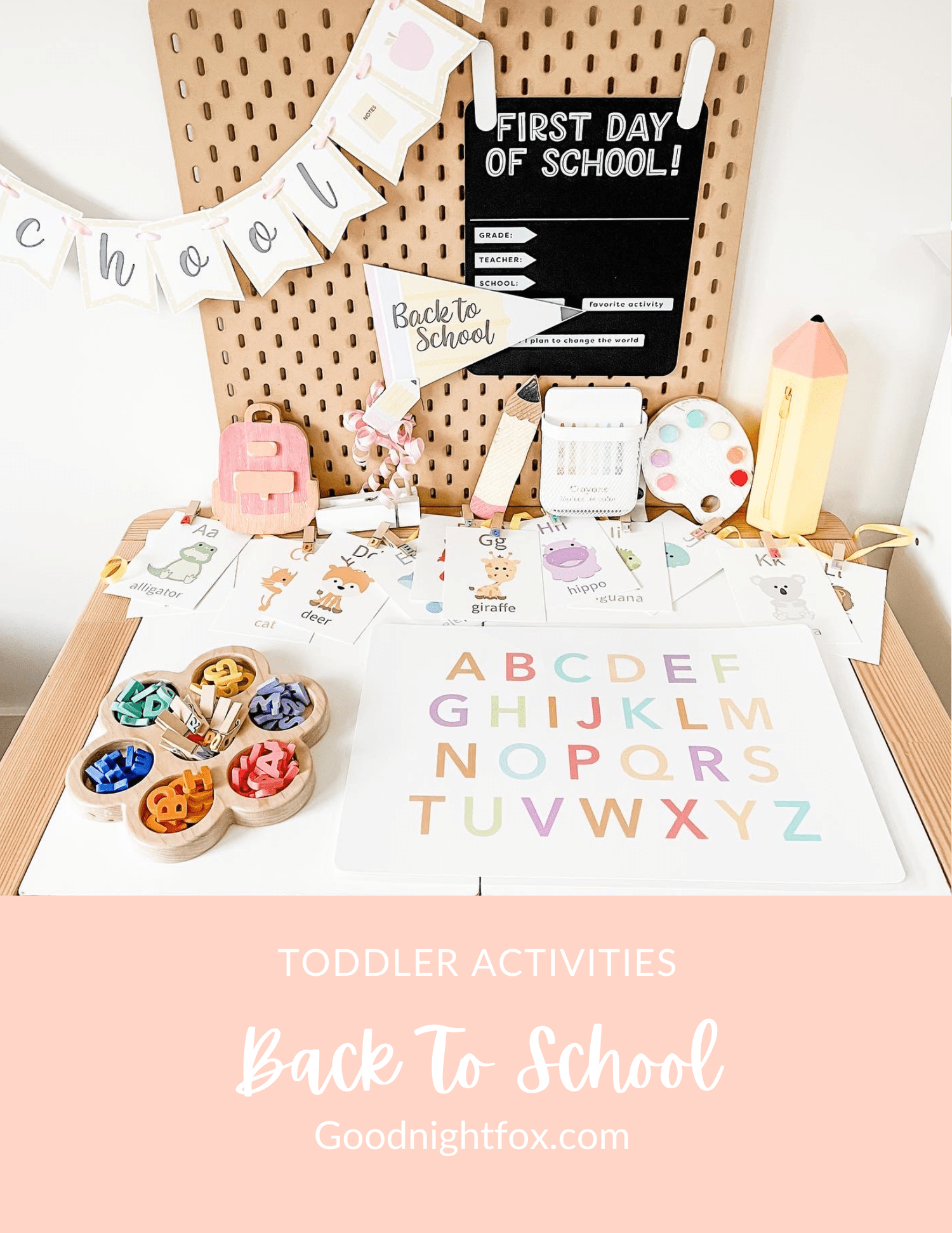
Animal Alphabet Flashcards
Picture-anchored letters — the friendliest first alphabet set, and the one a toddler and a five-year-old can both use.
- Age
- 2–5
Create a calm, screen-free morning routine using play-based learning activities your child will actually look forward to.
Many parents want to spend intentional time learning with their children but don't know where to begin each morning.
By the time breakfast is cleared, the plan has evaporated and a screen fills the gap — not because it was the goal, but because it was the only thing ready.
Morning baskets remove decision fatigue by gathering a handful of engaging activities into one simple routine that children can look forward to every day.
Whether you're homeschooling, preparing for preschool, or simply looking for more screen-free learning opportunities, a thoughtfully prepared morning basket helps create consistency without requiring hours of planning.
A morning basket is one basket, kept in the same spot, holding a small set of prepared learning activities: a flashcard set or two, a picture book, something hands-on and one seasonal item. After breakfast you set it on the table and your child begins — no planning, no printing, no screens.
It usually takes fifteen to thirty minutes and it is meant to be flexible. Some mornings you get through everything; some mornings you read one book and count five cards and that is the whole routine. Homeschooling families use it as their gentle opening block, and families with a child in preschool or daycare use it on weekends and slow mornings.
Nine card sets that cover letters, sounds, reading, numbers, weather, shapes and colors — four to six of them at a time is a full morning.
Start herePicture-anchored letters — the friendliest first alphabet set, and the one a toddler and a five-year-old can both use.

Clean uppercase and lowercase letters for matching, sorting and tracing with a dry erase marker.

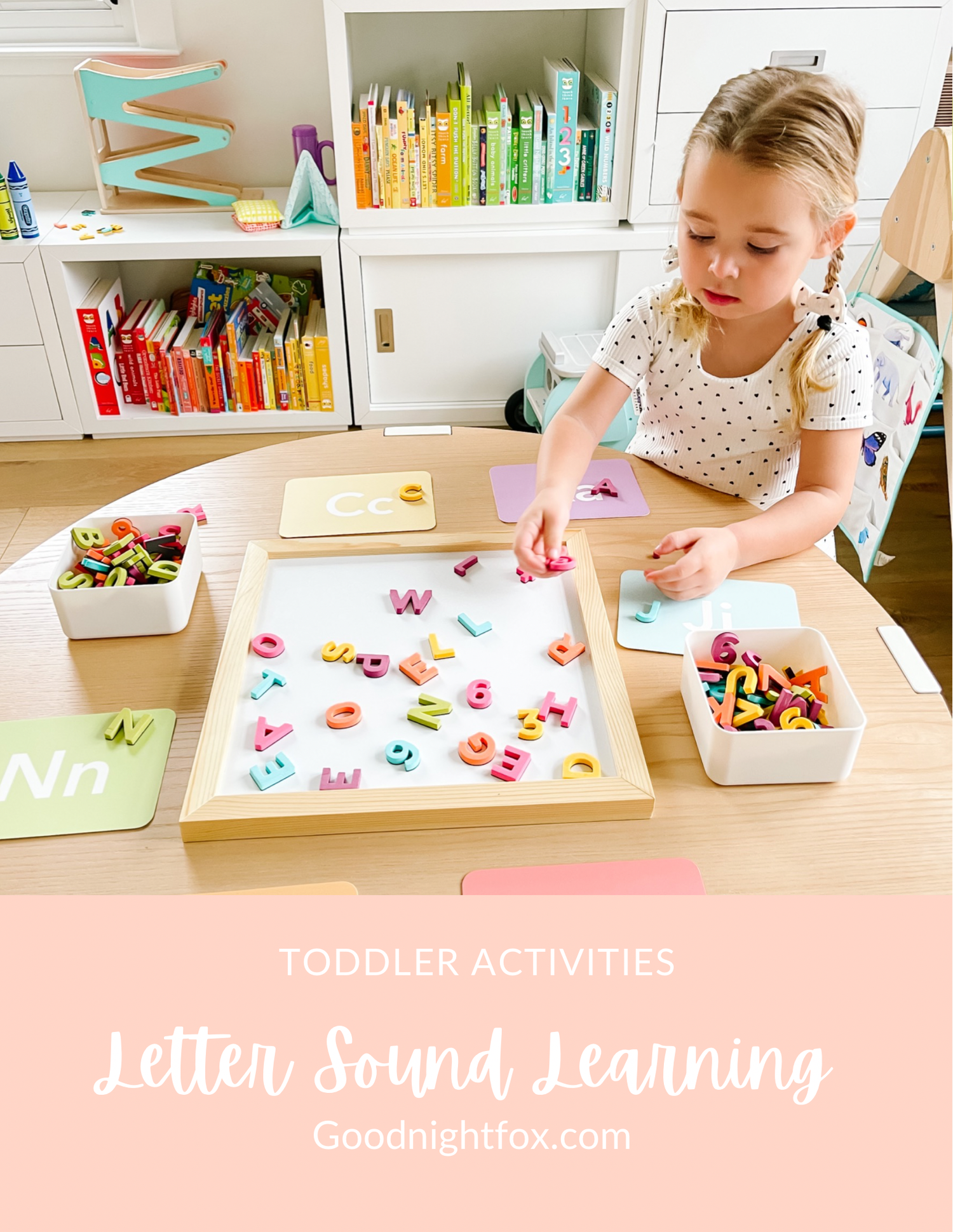
The sound each letter makes — five cards at the start of the basket is the highest-return three minutes of the morning.
 Best value
Letters, sounds and blending practice together — where three-letter words start to click into place.
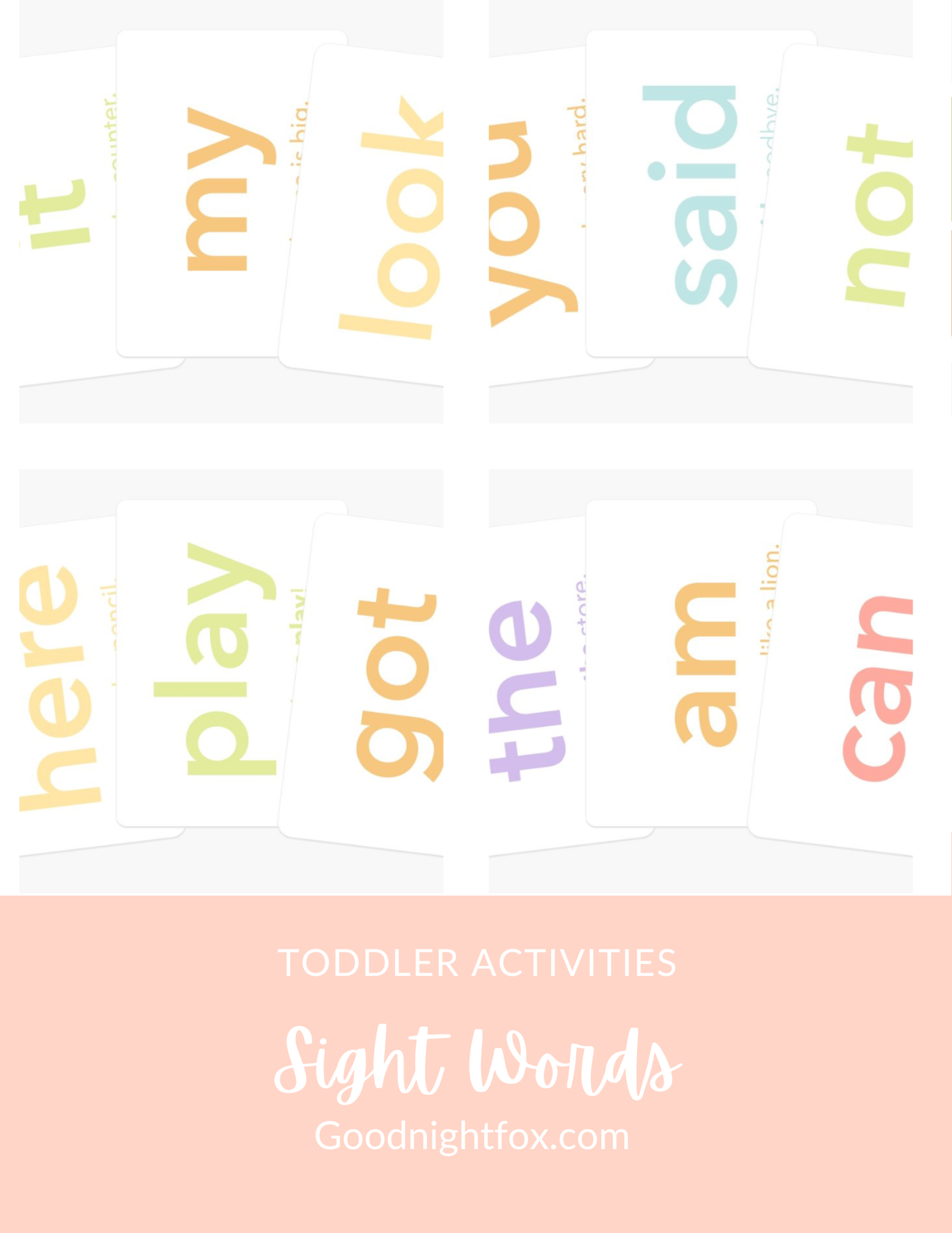
The twenty-five words that appear on almost every page, once sounds are already familiar.

Count real objects onto the cards — the short, physical math block in the second half of the basket.

Look out of the window, pick today's card. A one-minute ritual that opens the whole routine.

Shape naming and matching — early geometry that doubles as a hunt around the room.

Sort loose parts, pom poms or snacks by colour — the easiest independent activity in the basket.
Four to six of these at a time is plenty. Tap anything to see it.
this morning's basket
Start hereFlashcardsAnimal Alphabet FlashcardsPicture-anchored letters — the friendliest first alphabet set. FlashcardsLetters Flash CardsClean uppercase and lowercase letters for matching and tracing.FlashcardsLetter Sounds Phonics FlashcardsThe sound each letter makes — the bridge from letters to reading.Best valueBundleReading Flashcards BundleEvery literacy set together, for baskets that will run all year.
 BundleMath Flashcards BundleNumbers, counting and early math cards for the second half of the basket.
 FlashcardsAffirmations Flash CardsOne card read aloud together — a gentle way to open the morning.
 SupplyDry erase markersTurns any laminated card into endless tracing practice.
 SupplyPrimary story notebookFor name practice, scribbles and one drawing a day.
 SupplyMagnifying glassThe fastest way to make anything on the table interesting.
 SupplyScoops and tongsFine motor work disguised as transferring things between bowls.
 SupplyPlay doughRoll letters, squish numbers, stay busy for ten quiet minutes.
 BookOne picture bookChosen the night before so nobody has to decide in the morning.
 CraftA weekly craftOne small prepared craft — cut, glued and finished in a sitting.
 SensoryA seasonal sensory activityA small tray or bin that changes with the month.
 SensoryDinosaur Sensory JarA small, self-contained dinosaur world to shake, search and sort.
 SensoryOcean Sensory JarA calm ocean scene in a jar — perfect for a slow morning reset.
 SensoryMermaid Sensory JarA magical mermaid scene to spark pretend play before the day begins.
 SensoryBumblebee Sensory JarA busy bee world to shake and explore — great for tiny hands.
Flashcard sets link to the GoodnightFox shop. The supply items are simply recommendations — use whatever you already have at home.
Alphabet cards, a phonics game, a story, a little writing and a movement break — in that order.
Literacy • letter recognition
Animal Alphabet FlashcardsLiteracy • letter sounds and blending
Letter Sounds Phonics FlashcardsLanguage • vocabulary and comprehension
Fine motor • pencil control
Regulation • movement to finish
Animal Alphabet → Alphabet → Phonics → CVC words → Sight words. Move on when the step before feels easy, not when the calendar says so.
Start with picture-anchored letters. The animal gives your child something to name, and the letter comes along with it.
View animal alphabet cardsMove to clean uppercase and lowercase letters for matching, sorting and tracing practice.
View alphabet flashcardsSwap letter names for letter sounds. This is the step that actually unlocks reading.
View letter sounds cardsBlend three sounds into a word — cat, sun, mop — using the reading bundle's blending practice.
View the reading bundleAdd the high-frequency words that don't follow the rules, and short books stop being a struggle.
View sight word cardsEvery version alternates reading, math, hands-on work, movement and a story so nobody is asked to sit still twice in a row.
Social emotional • naming feelings out loud
Affirmations Flash CardsLanguage • vocabulary and story structure
Literacy • letter recognition
Letters Flash CardsEach path lists the GoodnightFox sets and the free activities that pair with them.
Letters first, then the sounds they make, then blending them together.
Counting real objects long before counting on paper.
Tracing, name practice and the pre-writing shapes that come first.
Tongs, scoops and small pieces — the quiet work behind handwriting.
One small reaction or one magnifying glass is enough for a morning.
One card read aloud, one feeling named, every single morning.
One prepared craft a week beats seven half-finished ones.
Books and picture cards do more for vocabulary than anything else in the basket.
Ages are a starting point, not a rule. Follow the child in front of you — plenty of three-year-olds are ready for sounds, and plenty of five-year-olds still want the animal cards.
Two items in the basket is plenty. Expect the routine to be mostly naming, pointing and dumping things out.
Letter recognition takes hold. Add a dry erase marker and let tracing become the favourite part.
Sounds start blending into words. This is the year the phonics cards earn their place.
Reading and writing sit side by side. Keep the basket, lengthen the blocks, add a notebook.
Five editorial recommendations — what each one is for, who it suits, and when to add it.
Most usedPicture-anchored letters give a child something to hold onto: the animal is the hook, the letter comes along for the ride. In a morning basket this is the set you can hand to a two-year-old and a five-year-old on the same day — one is naming animals, the other is hunting for beginning sounds, and neither needs you to run the activity.
Knowing letter names is not the same as knowing what letters do. These cards focus on the sound, which is the piece that actually unlocks reading. Five cards at the start of a morning basket is enough — it takes three minutes and it is the single highest-return thing in the whole routine.
Math in a morning basket works best when it is short and physical: count these, sort those, which pile is bigger. This bundle covers enough ground that you are not re-buying in six months, and the cards pair naturally with whatever loose parts are already on the table.
One card, read aloud, before anything else. It gives the routine a beginning, gives a reluctant child something easy to say yes to, and quietly builds the vocabulary children need to describe how they feel later in the day.
Best valueIf you already know a morning basket is going to stick, the bundle is the cheaper route: alphabet, sounds and reading practice together, so the basket can grow with the child instead of being re-bought a set at a time.
Keep the anchors — the alphabet cards and a writing tool. Swap the tray, the craft and the book.
 ReadingReading morning basketThe everyday version: letters, sounds and one book, every morning.Letter sounds warm-upOne picture bookName tracingHow to teach your child to read →
 FarmFarm morning basketAnimal names, animal sounds and a barnyard sensory tray beside the same cards.Animal sound matchingOat and corn trayBarn countingFarm animal sensory bin →
 OceanOcean morning basketShells, sea animals and a blue sensory bin next to the reading cards.Shell sortingSea animal namesBlue water binOcean animal sensory play →
 DinosaursDinosaur morning basketAn excavation tray, long names to sound out and one very serious paleontologist.Dig trayDinosaur name soundingFossil countingDinosaur dig sensory play →WeatherWeather morning basketCheck the window, pick today's card, then add a rainbow experiment on a grey day.Today's weather cardRainbow scienceCloud dough trayView the weather cards →
 FallFall morning basketLeaves, acorns and a woodland craft. The alphabet cards stay; the tray changes.Leaf sorting trayAcorn countingLeaf fox craftLeaf fox fall craft →
 ChristmasChristmas morning basketCosier and shorter — more reading, a gingerbread tray and one small craft a day.Gingerbread doughAdvent book stackOrnament craftChristmas sensory play kit →
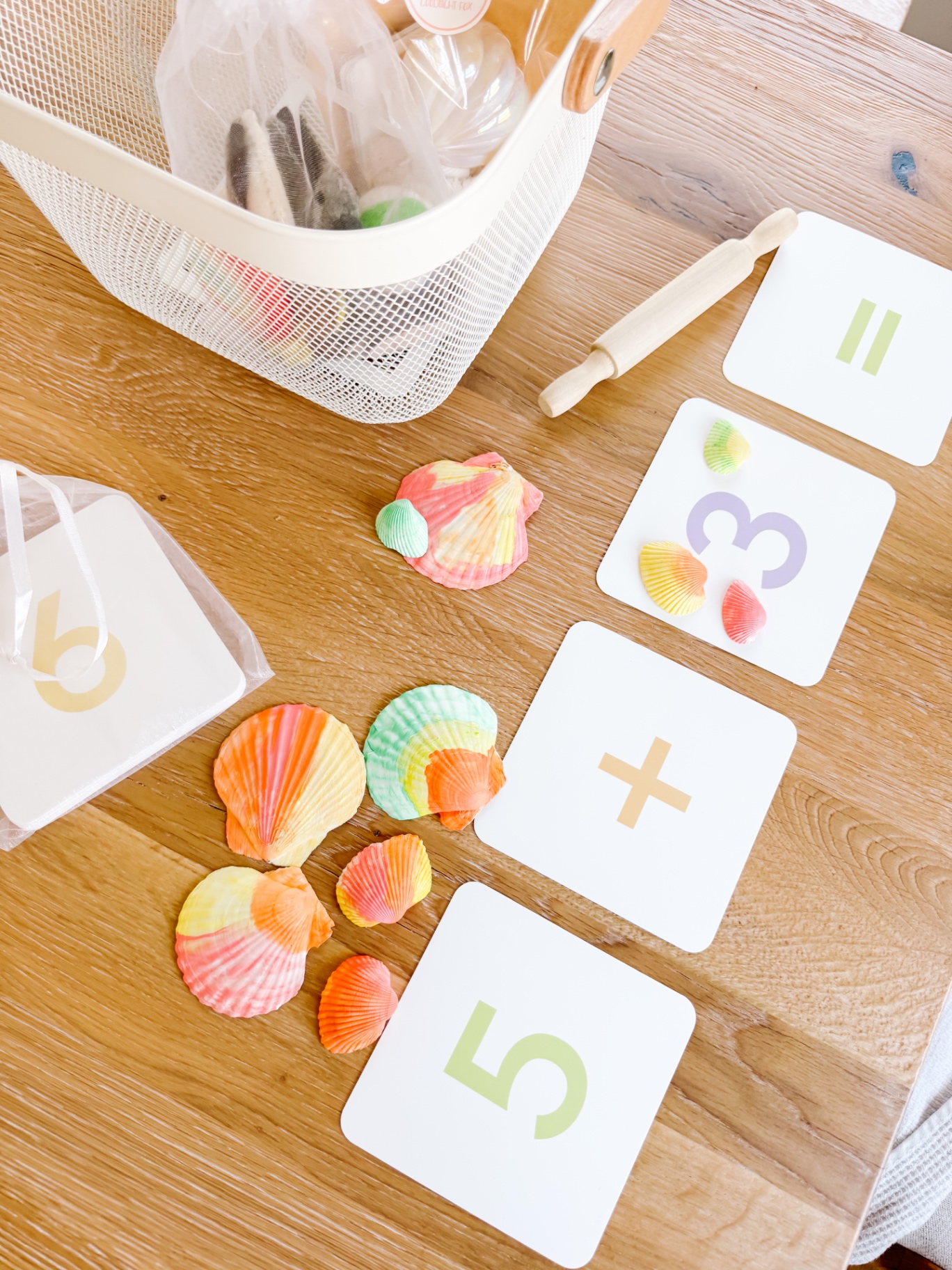
 SpringSpring morning basketSeeds, bugs and everything growing on the windowsill.Seed plantingRainbow rice trayNature walk cardsSpring garden sensory play →SeaSeashell counting basketPainted shells beside the number cards — count them, add them, sort them by colour.Shell countingAdd and equals cardsColour sorting traySee the counting cards →
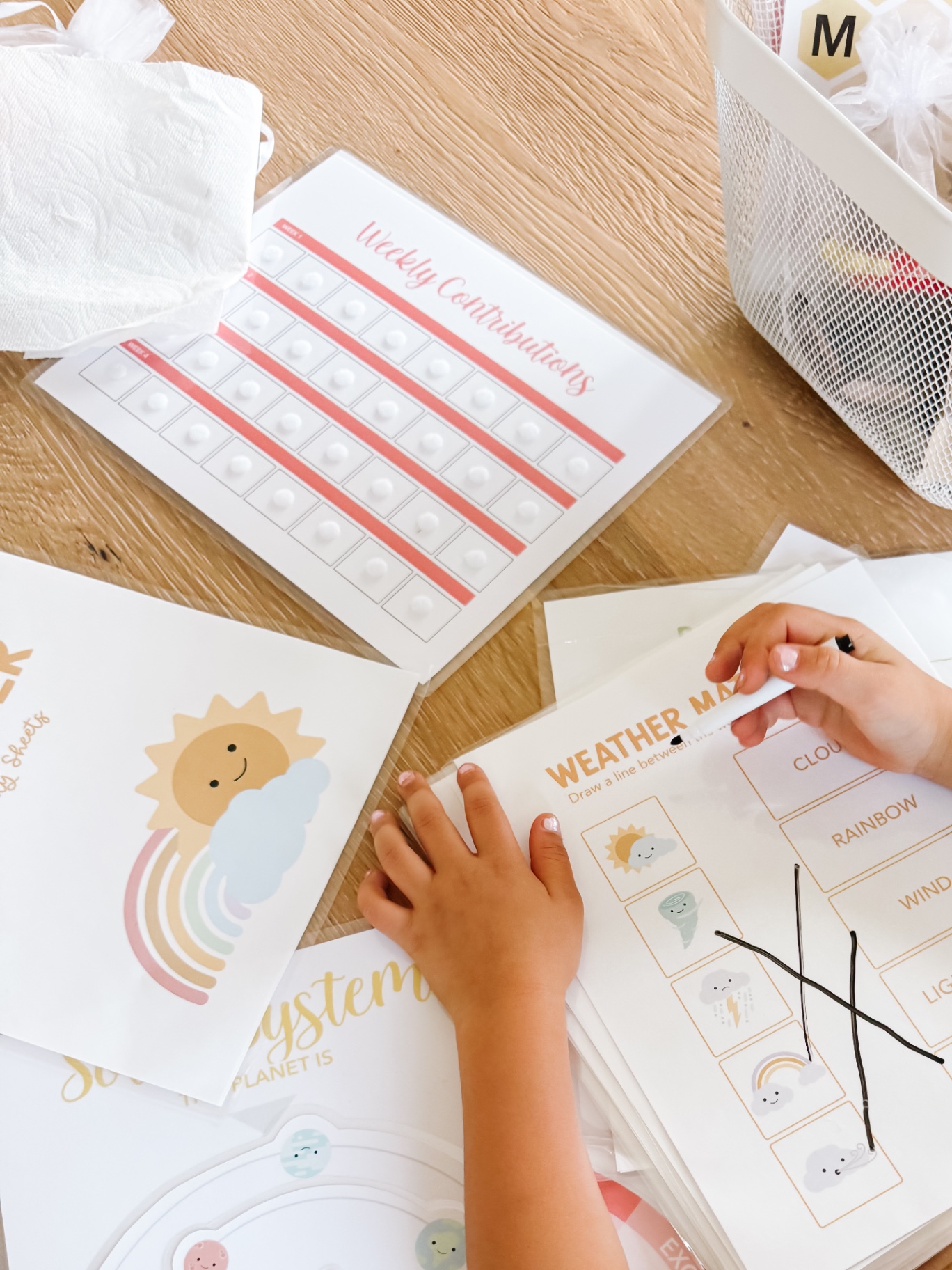 WeatherWeather watch basketLook out the window, spin today's weather, then draw the matching line on the sheet.Today's weather wheelWeather matching sheetRainbow drawingSee the weather set →
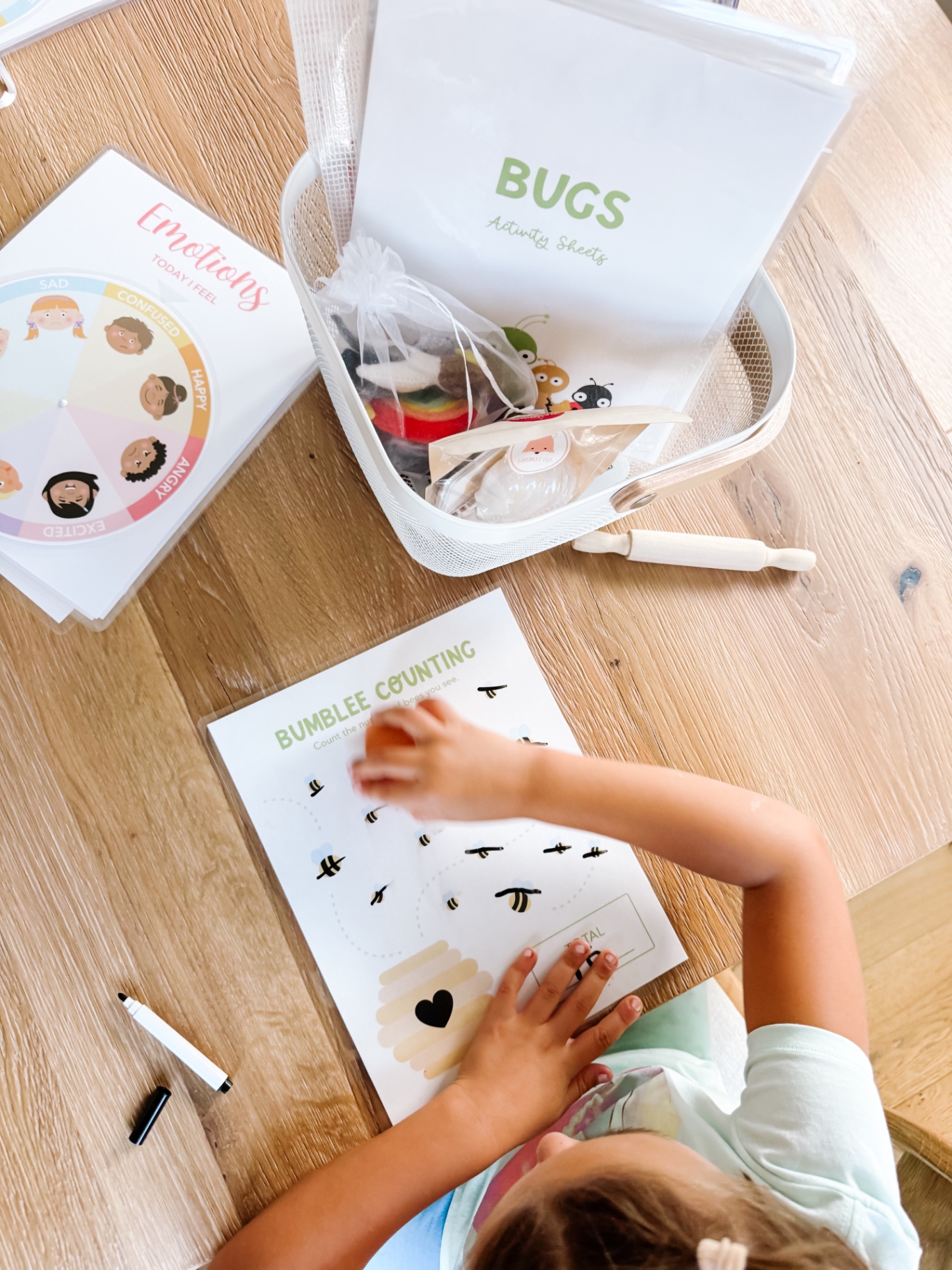 BugsBug hunt basketFelt bugs, a magnifying glass and a bumblebee counting sheet for a garden morning.Bumblebee countingBug colour namingMagnifying glass huntBug play ideas →
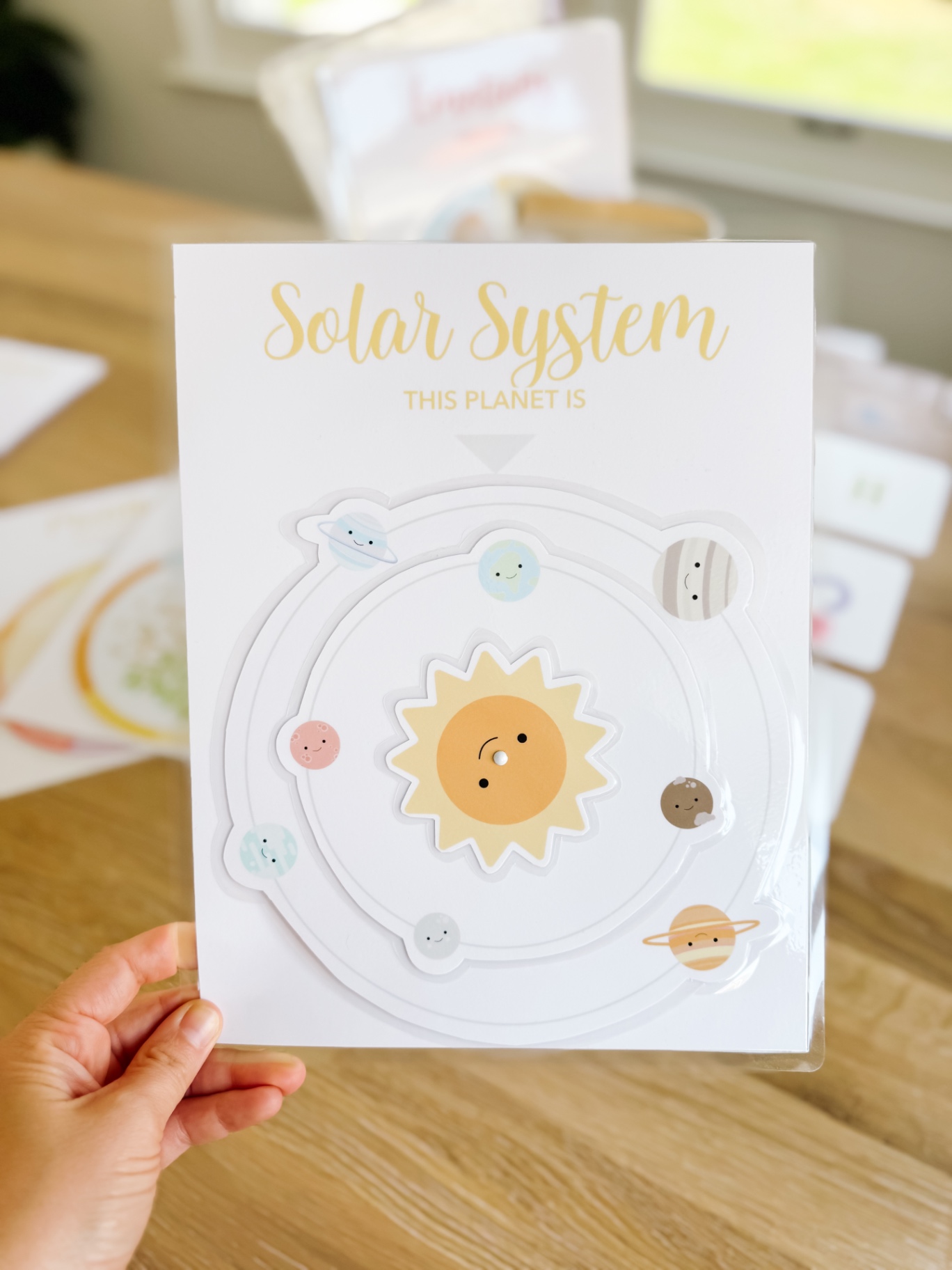 PlanetsSolar system basketA spinning planet wheel — one planet a morning, plus its name to sound out.Planet spinnerPlanet name soundingStar counting traySpace play ideas →
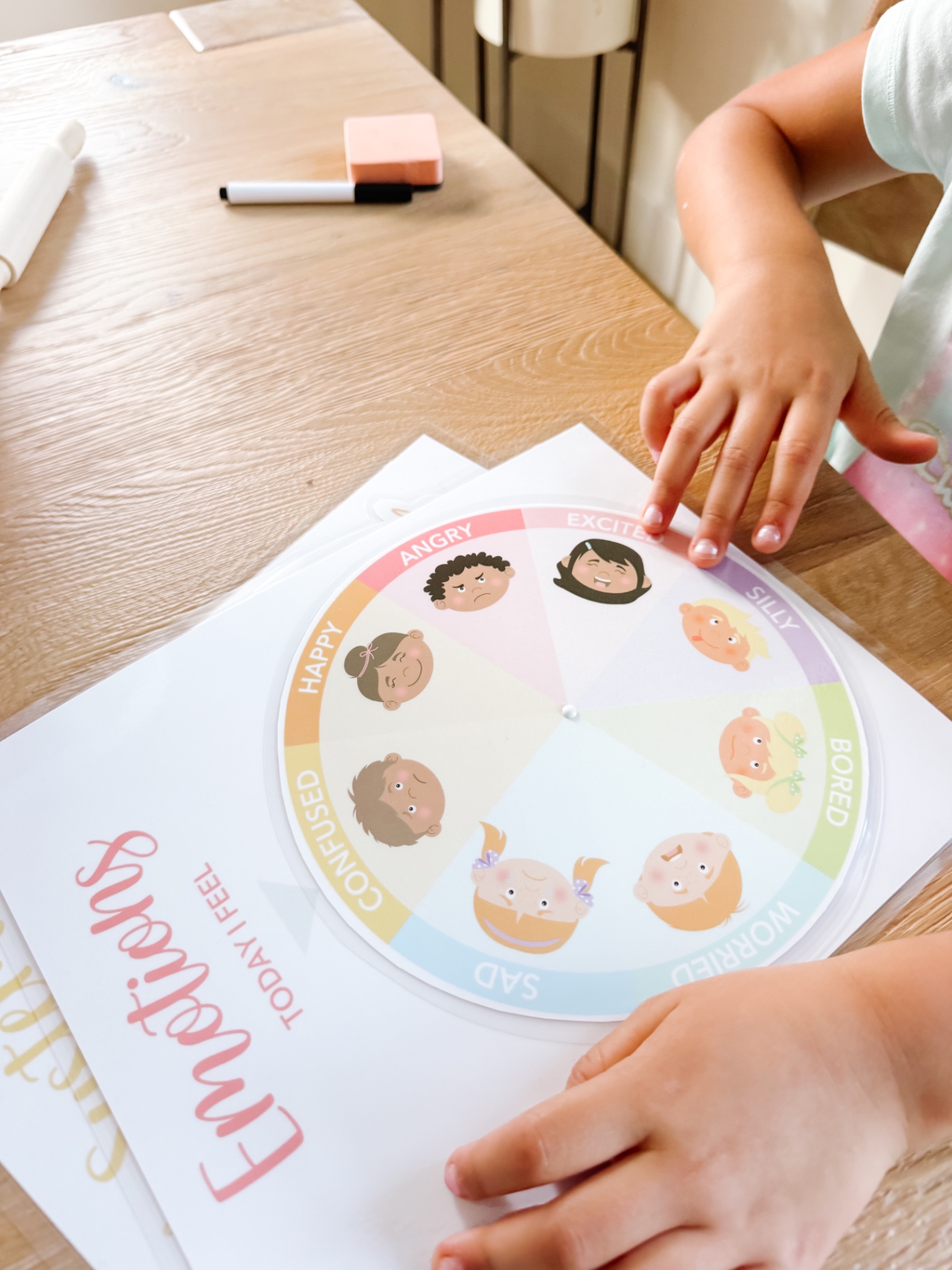 EmotionsFeelings check-in basketStart with the emotions wheel: name how the morning feels before anything else begins.Emotions wheelFeelings talkCalm-down breathing cardTalking about feelings →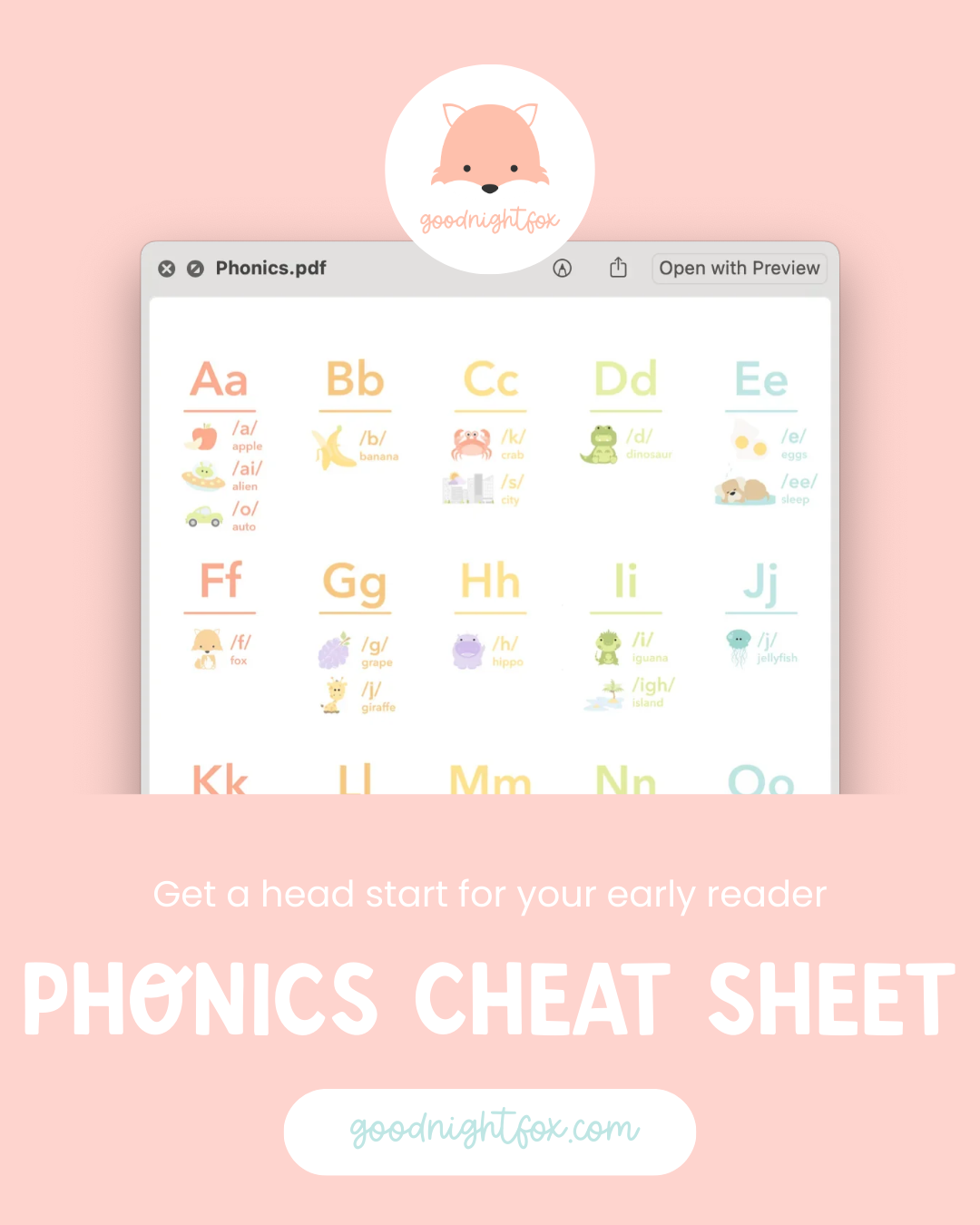
A one-page reference for every letter sound, inside our phonics guide.
Get it free
A free printable bundle for ages 2–5 you can slot straight into the basket.
Get it freeFifteen to thirty minutes for most families, and fifteen minutes on a hard morning still counts. Stop while it is still fun — ten good minutes every day beats forty minutes once a week.
Four to six. Fewer gets stale within a week; more gets tipped out and abandoned. Keep the extras on a shelf and swap them in rather than piling them into the basket.
Once a week is the right rhythm. Keep the anchors — the alphabet cards and a writing tool — and rotate the book, the craft and the sensory item every Sunday night.
Roughly two through six. Toddlers name, sort and dump; four- and five-year-olds work on sounds, counting and early writing. Follow the child in front of you, not the age on the box.
Low shelf, same spot, lid off. If a child has to ask for it, it becomes your activity instead of theirs.
The same book, the same five cards, the same tray for two weeks straight is not a rut — that is what mastery looks like at this age.
ReadingThe full reading journey, from first letters to first words.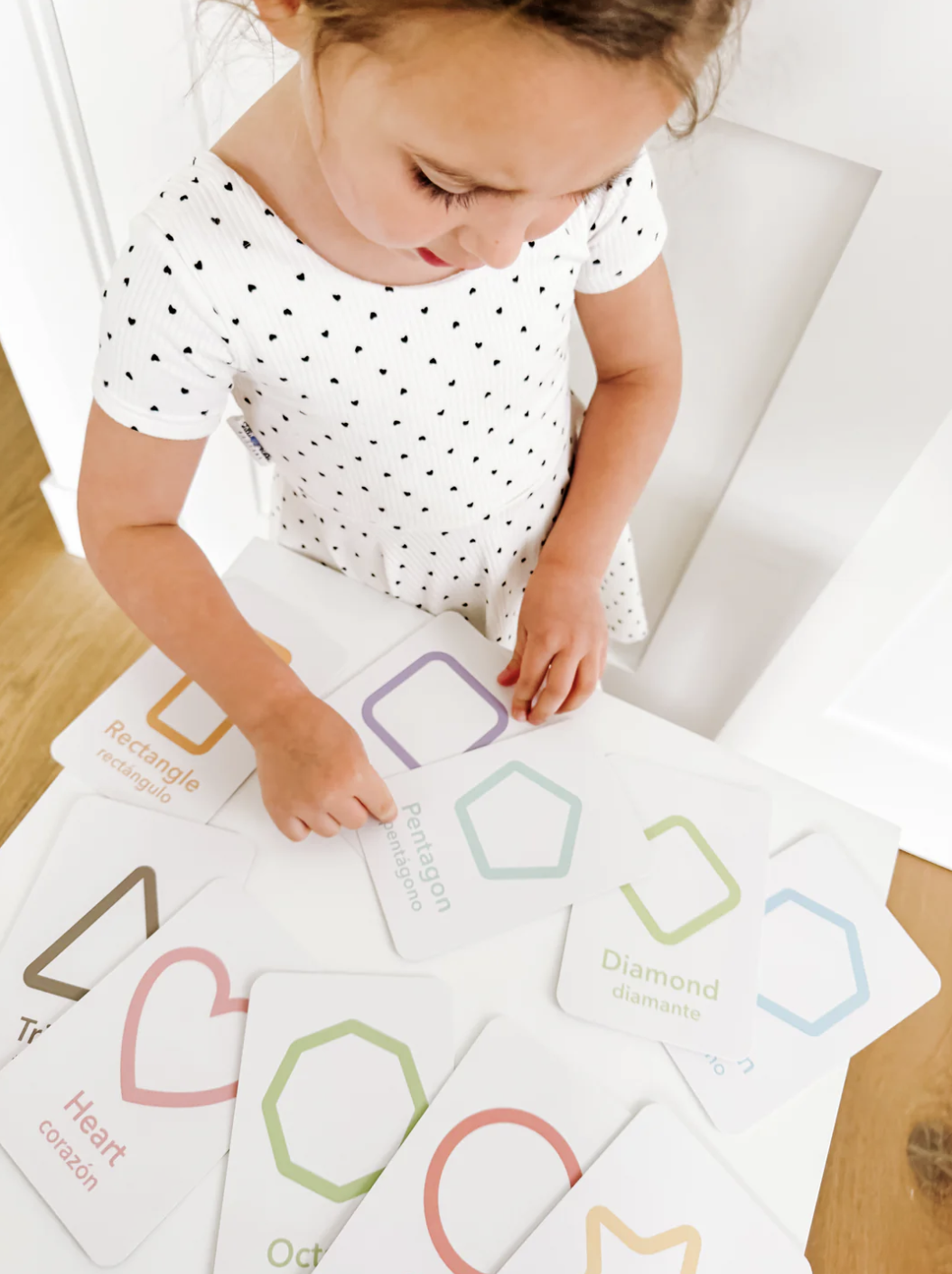 Kindergarten readinessWhat to know by age, so the basket matches the child.
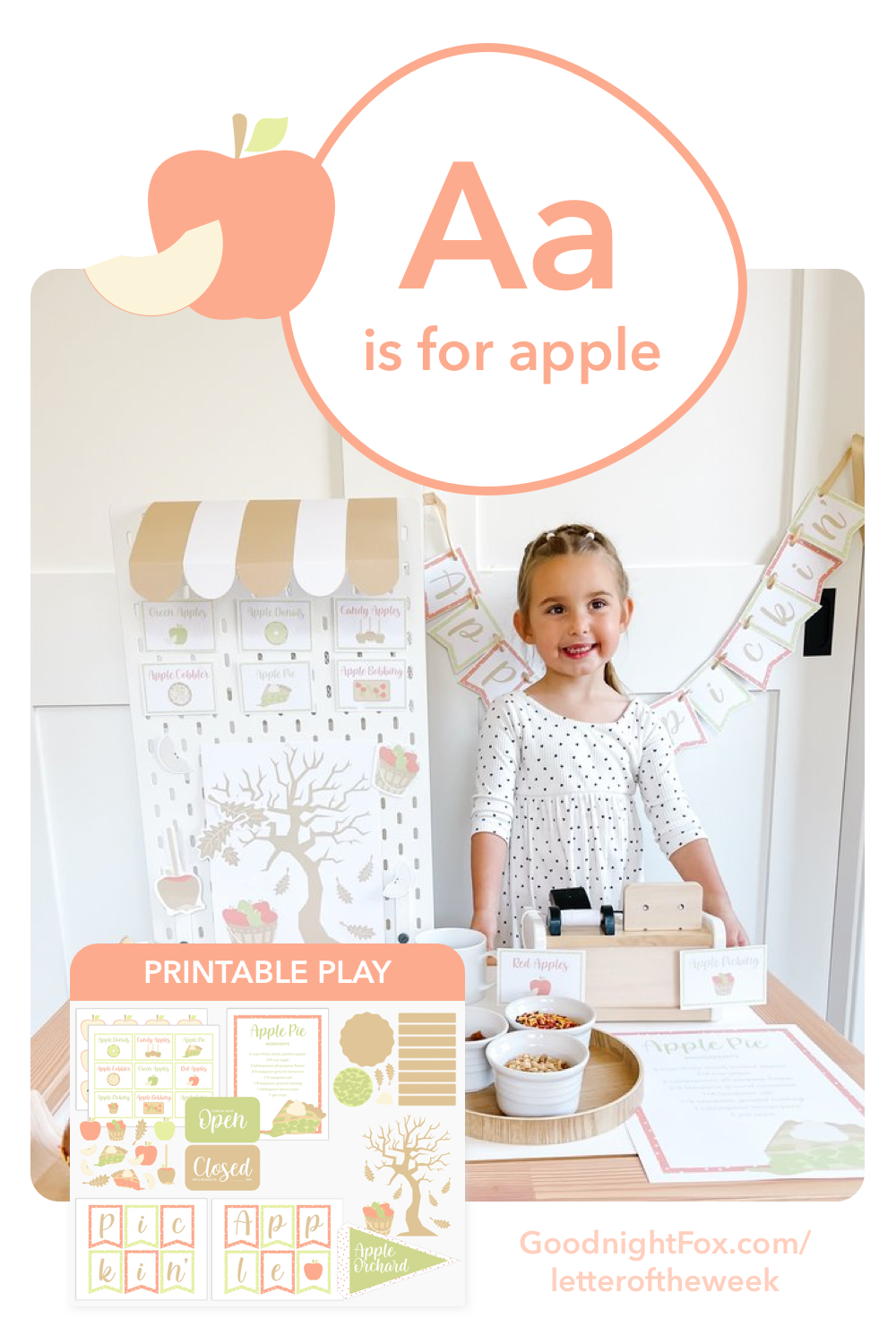 FallLeaves, acorns and apples — the autumn version of the basket.WeatherA one-minute weather ritual to open every morning.
 OceanShells, sea animals and a blue sensory bin.