Babies & early toddlers
Listening, gestures, pointing, sounds and familiar words · Name familiar objects · Copy sounds · Sing songs · Point while reading · Narrate routines
Simple ways to turn everyday play, meals, books and routines into opportunities for new words and conversation.
You do not need a formal lesson to help a young child build vocabulary. Some of the best language opportunities happen while you are playing, eating lunch, getting dressed, reading together or talking about the things your child already loves. This guide gives parents simple ways to introduce words, repeat them naturally and connect vocabulary with real objects, actions and experiences.
For toddlers and preschoolers
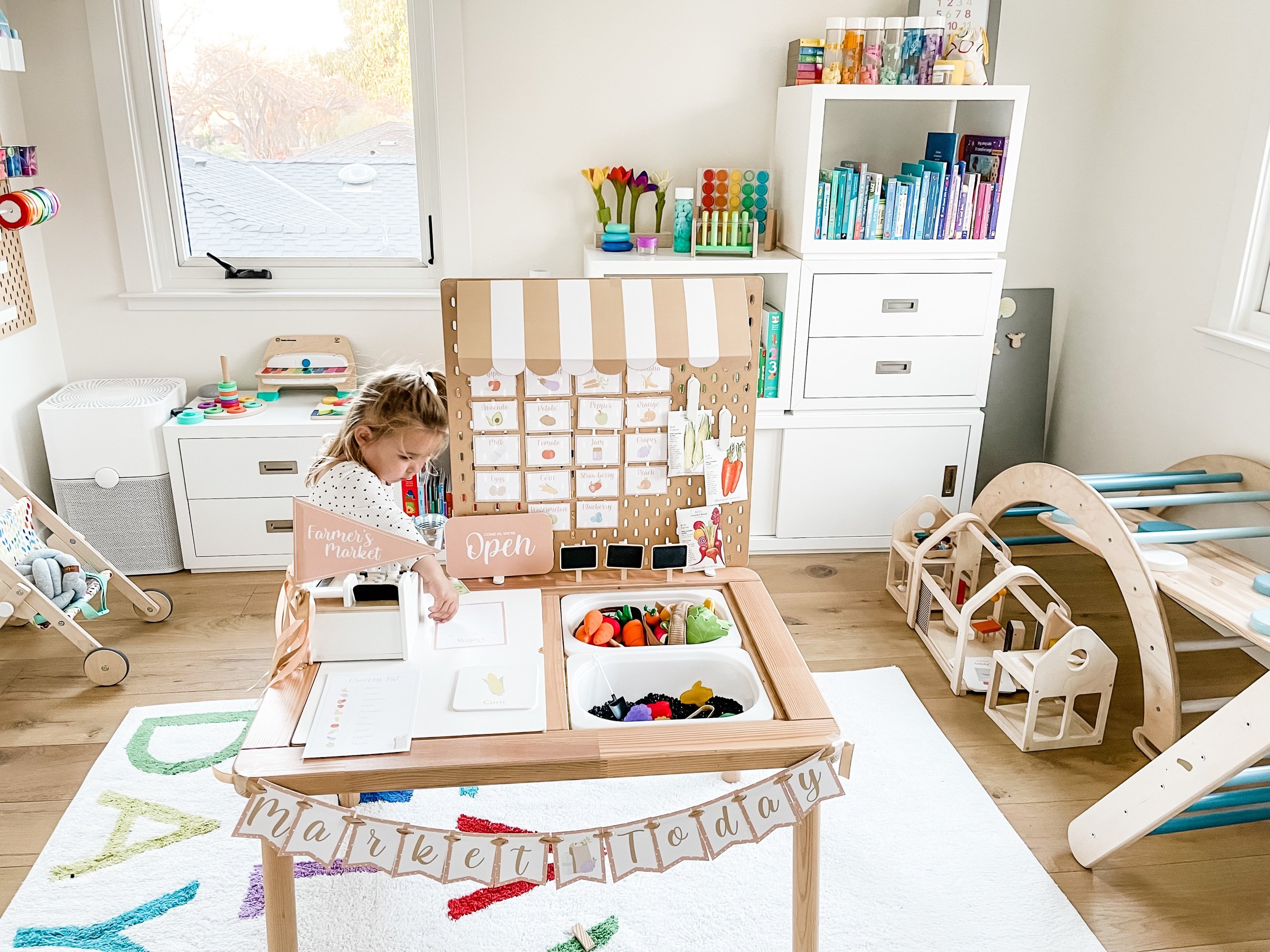
Young children learn words by hearing language connected to things that matter to them. Naming the dog they see on a walk, talking about the banana they are eating, pointing to their nose in the mirror or describing a favorite truck all connect words with meaningful experiences.
The goal is not to quiz a child on how many words they know. Give them opportunities to hear, see, touch, point, gesture, respond and eventually use words during ordinary play.
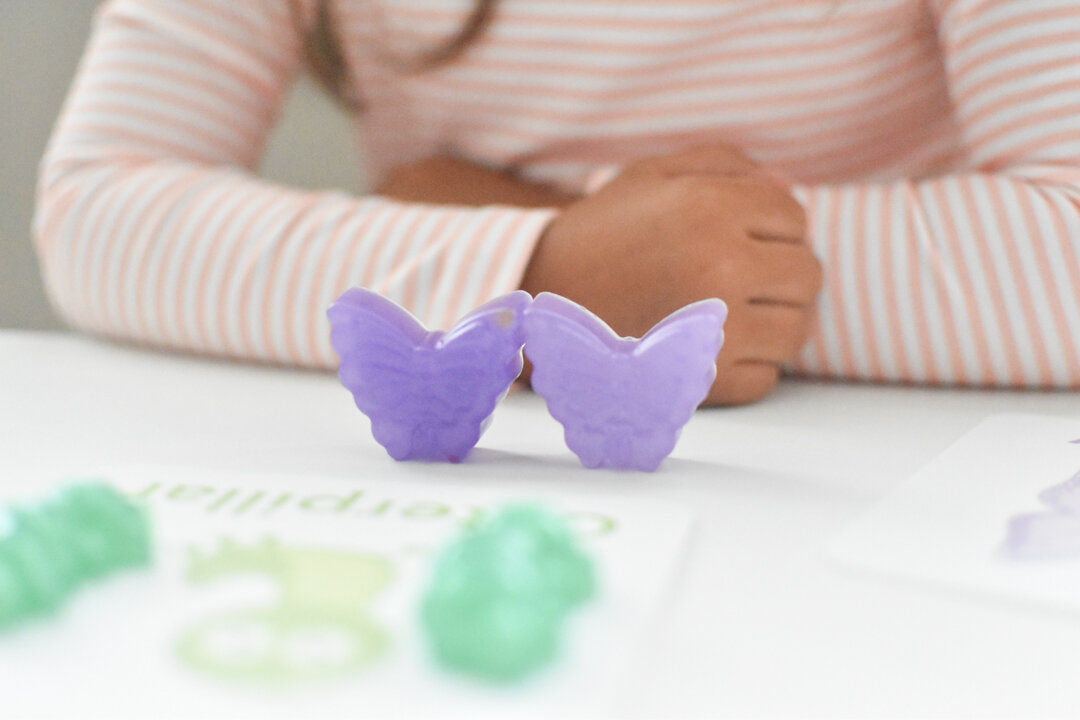
No worksheets and no formal lesson required. Start with something your child already enjoys.
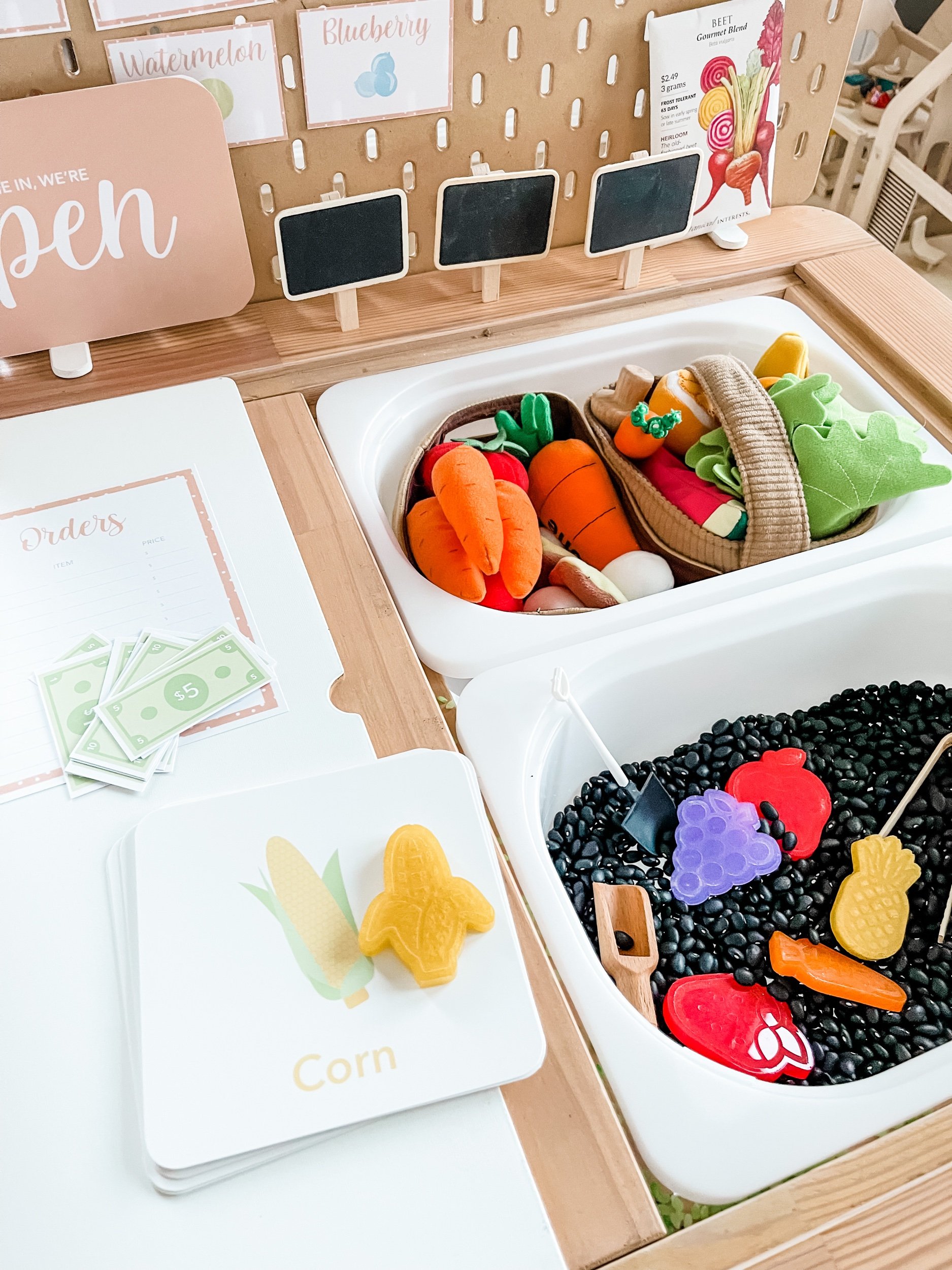
A useful first-word library does not need to follow a school curriculum. Start with words your child sees often and subjects they already care about.
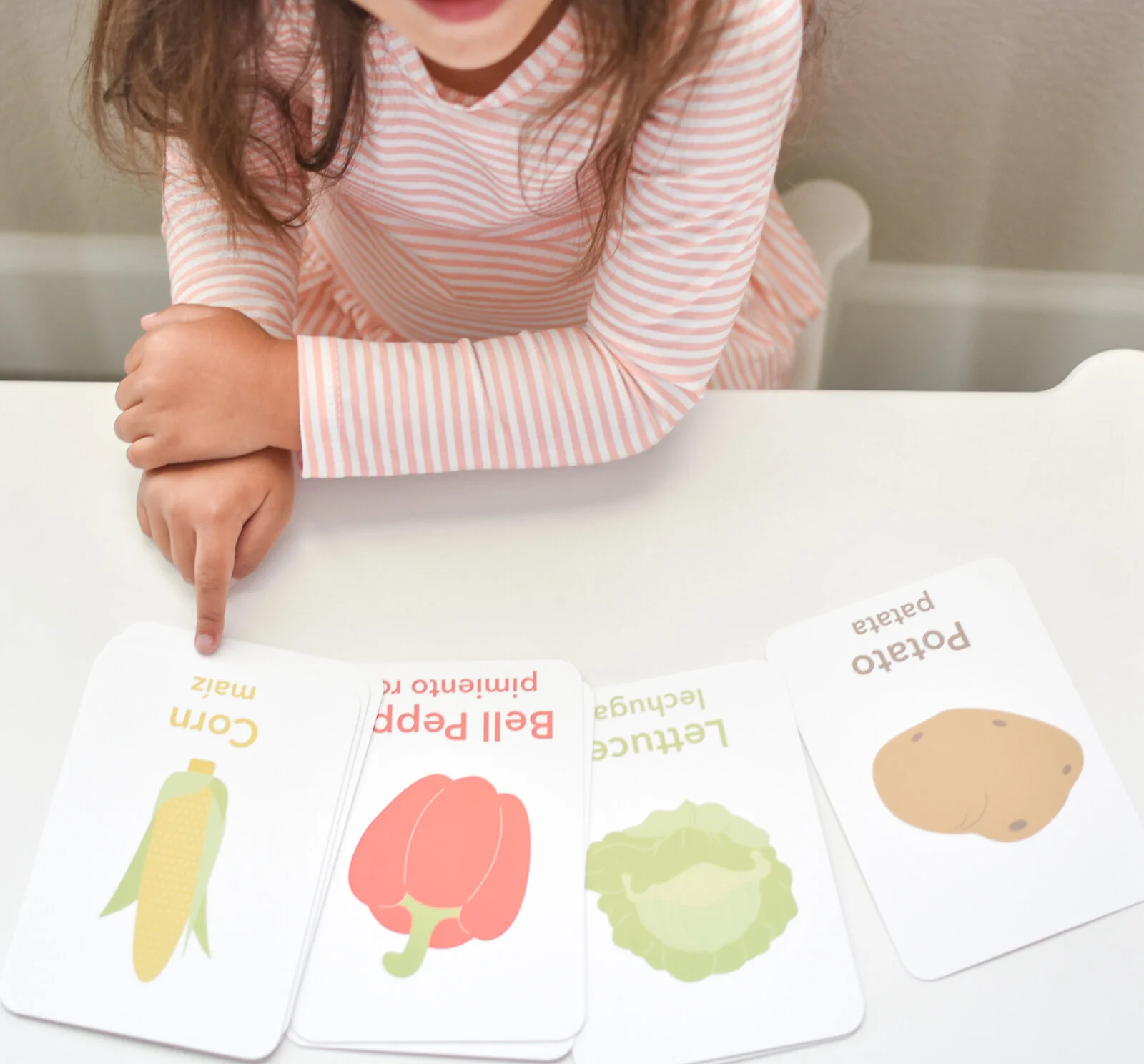
 Animal-loving toddlersAnimalsAnimal names and sounds are easy to connect with books, toys, walks and small-world play. Animal 1 Flashcards Bundle · best for animal-loving toddlers.
 Everyday mealtime vocabularyFoodMeals and snacks create repeated opportunities to talk about useful everyday words. Food Flashcards Bundle · best for everyday mealtime vocabulary.
 Body awareness & daily routinesBody & SensesBath time, dressing and mirror play naturally create opportunities to name body parts. Body Flashcards Bundle · best for body awareness and daily routines.
 Early everyday conceptsEveryday BasicsColors, shapes, numbers and weather help children describe what they notice. Basics Flashcards Bundle · best for early everyday concepts.
 Kids who love vehiclesThings That GoCars, trucks and other vehicles work especially well when transportation is already a favorite interest. Travel & Transportation Bundle · best for kids who love vehicles.
You do not need to ask your child to repeat every sentence. Modeling language during play gives them examples of how words can grow into ideas.
Picture cards work best when they become part of a game, sensory invitation, movement activity or conversation—not when a child is asked to sit through an entire stack.
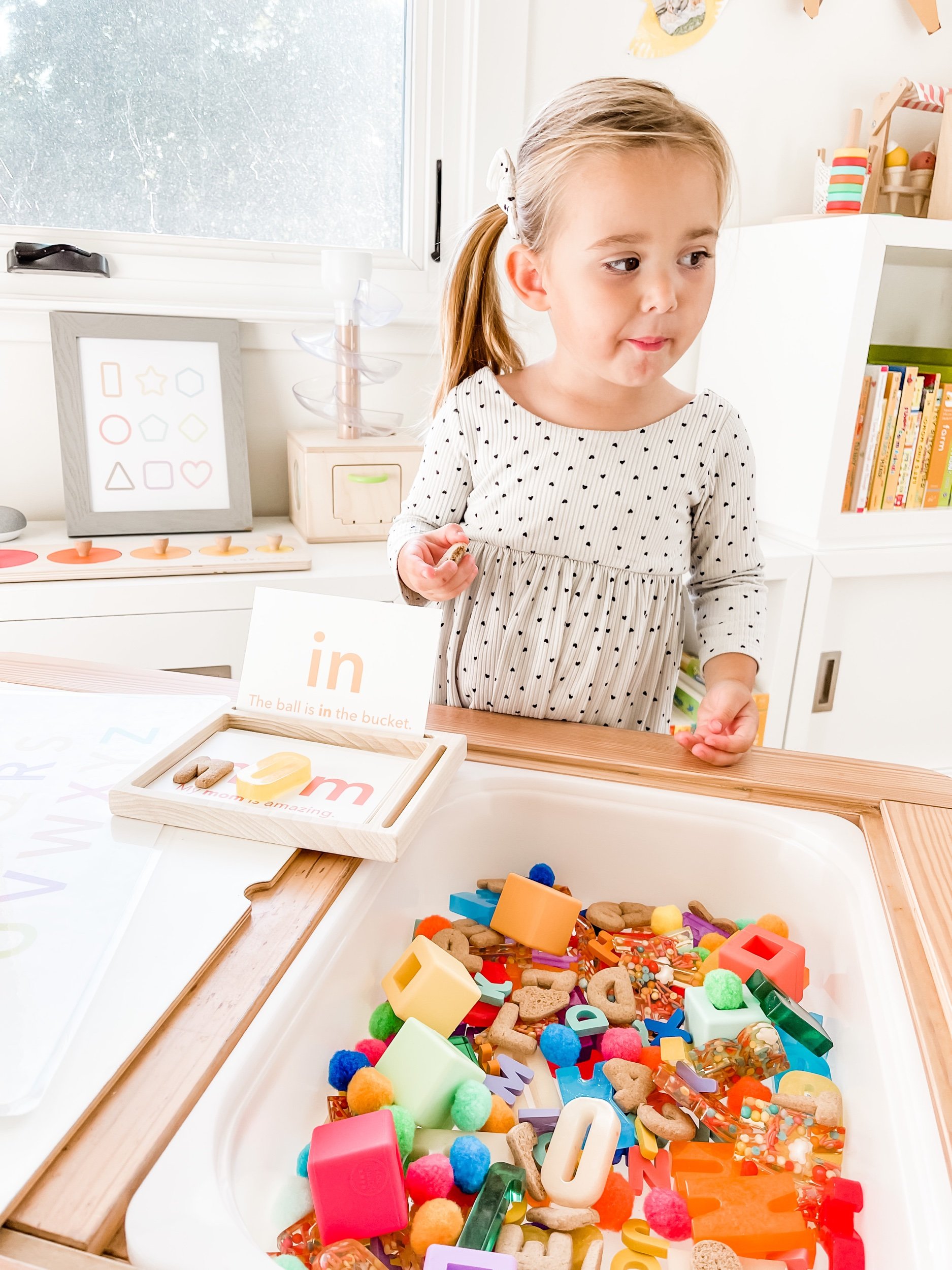
 Food Flashcards BundleMealtimeName foods, colors, tastes and actions while eating together.
 Bath Time BundleBath TimeTalk about body parts, water, bubbles and action words.Body Flashcards BundleGetting DressedName body parts, clothing, colors and words such as on, off, pull and zip.Travel & Transportation BundleCar RidesNotice vehicles, colors and places you pass.
 Reading Flashcards BundleReading TogetherPoint, name, describe and connect book pictures with everyday experiences.
Children develop communication skills at different rates. These play ideas are for everyday learning and connection, not for diagnosing or treating a speech or language concern.
Listening, gestures, pointing, sounds and familiar words · Name familiar objects · Copy sounds · Sing songs · Point while reading · Narrate routines
Building everyday vocabulary and beginning to combine ideas · Name foods, animals and toys · Offer simple choices · Add one word to what the child says · Match pictures with real objects · Talk during routines
Describing, following directions, telling stories and longer conversation · Add size, color and location words · Follow simple directions · Retell familiar events · Use pretend play · Ask open-ended questions
You do not need every vocabulary set at once. Start with subjects your child already notices and talks about most.
Best for animal-loving toddlersAnimal 1 Flashcards Bundle Best for expanding animal vocabularyAnimal 2 Flashcards BundleBest for everyday mealtime wordsFood Flashcards BundleBest for body parts & routinesBody Flashcards BundleBest for early everyday conceptsBasics Flashcards BundleBest for kids who love vehiclesTravel & Transportation BundleBest for moving toward early literacyReading Flashcards BundleBest for everyday routine vocabularyBath Time Bundle
Start with a free set of hands-on toddler learning activities and see which kinds of play your child responds to most.
Get the Free Toddler Learning Starter KitFamilies do not need to stop using a home language in order to support communication. Talk, sing, read and play in the languages you are most comfortable using. Body Parts Flashcards include English and Spanish labels.
Talk about what your child is already doing and noticing, repeat useful words, read together, respond to gestures and sounds, and pause to give your child opportunities to communicate. Keep practice connected to normal play and routines.
Start with useful words from everyday life and subjects your child already loves, such as foods, animals, toys, body parts, vehicles and actions.
Picture cards can be useful when they support interaction rather than replace it. Pair them with toys, books, real objects, movement and conversation.
Name objects, describe them, offer choices, match pictures with real objects, make up stories and revisit words in different situations.
Young children are still learning speech sounds. Rather than repeatedly asking for correction, model the word naturally in your response.
Children can learn more than one language. Families can talk, sing, play and read in the languages they naturally use.
If you are concerned about your child’s speech or language development, discuss it with your pediatrician or a qualified speech-language pathologist.
Every child develops differently. Play, books and conversation can create rich opportunities for communication, but a printable or flashcard set cannot tell you whether a child has a speech or language delay. If you are concerned about your child’s communication development, talk with your pediatrician or a qualified speech-language pathologist.